
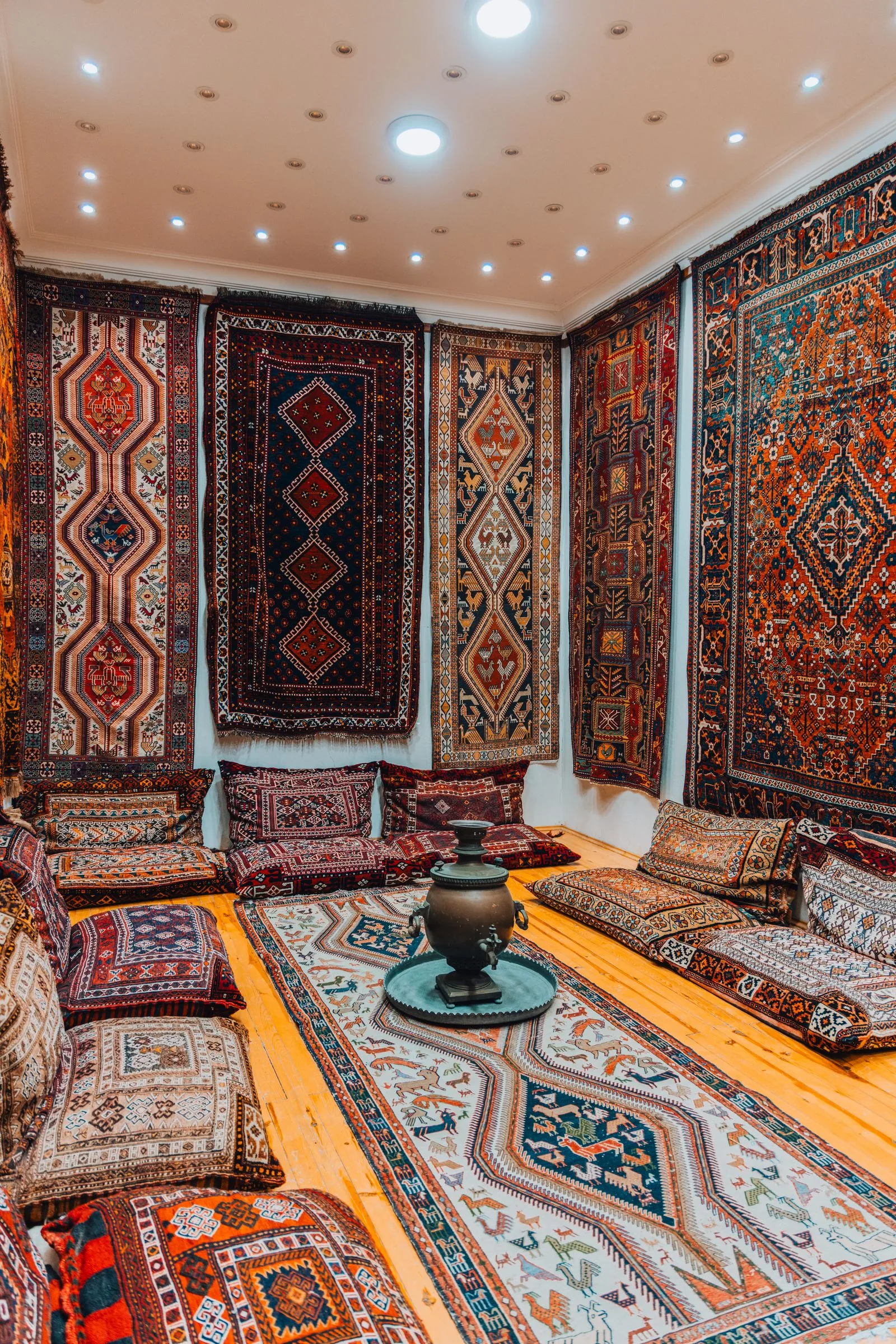
A rug grounds a room the way nothing else can — underfoot warmth, color and texture, all in one honest piece you'll keep for years.
This is the rug edit, rooted in our Tibetan carpet heritage: hand-knotted craft, wool and jute compared, the boho layered look, and the sizing rules that save you from the too-small-rug mistake. Buy well once and buy right.
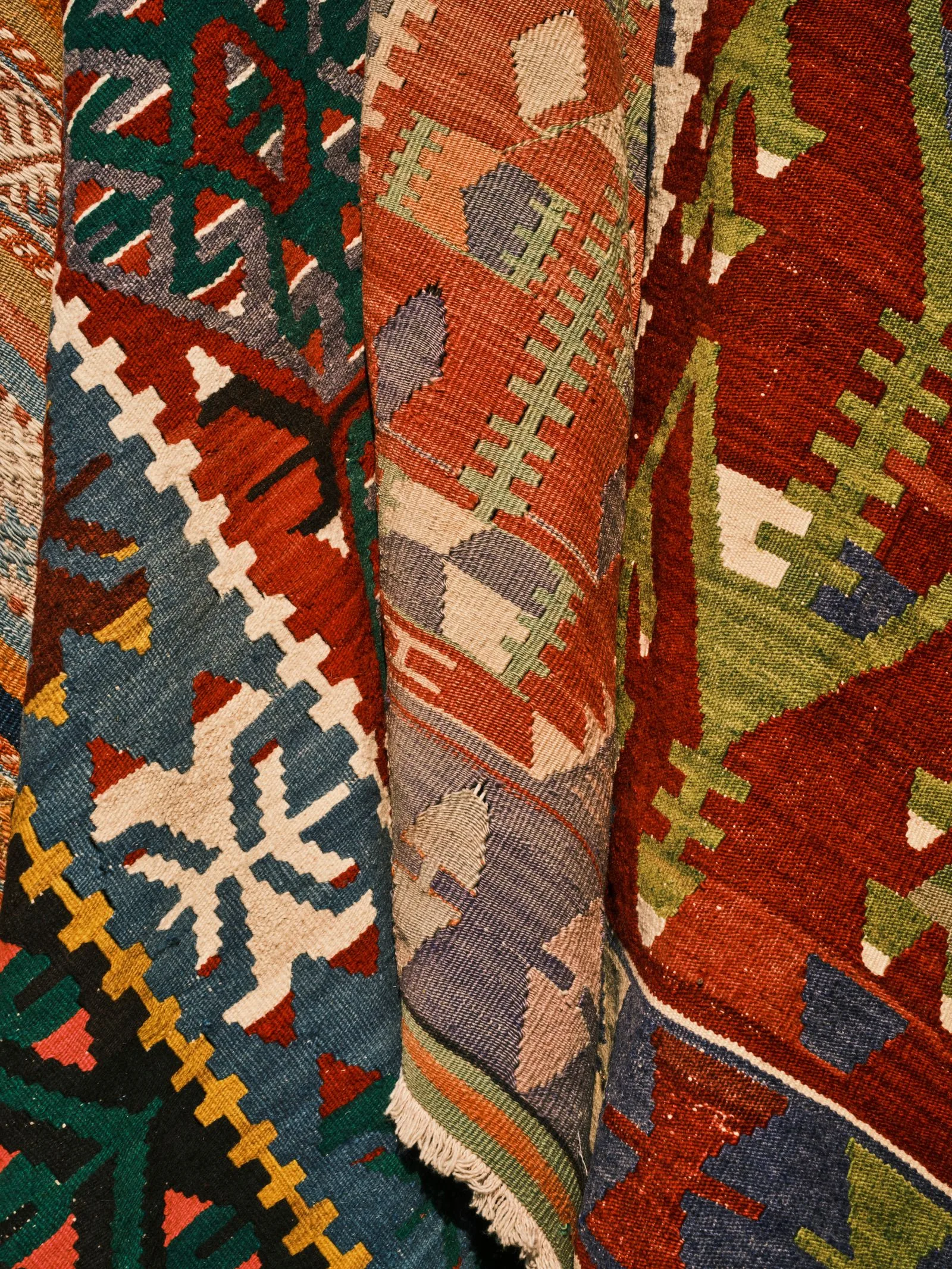
The best Tibetan and Tibetan-style wool rugs to buy — hand-knotted heritage designs, tiger rugs and modern takes, plus how to spot real quality and shop ethically.
Read the Guide →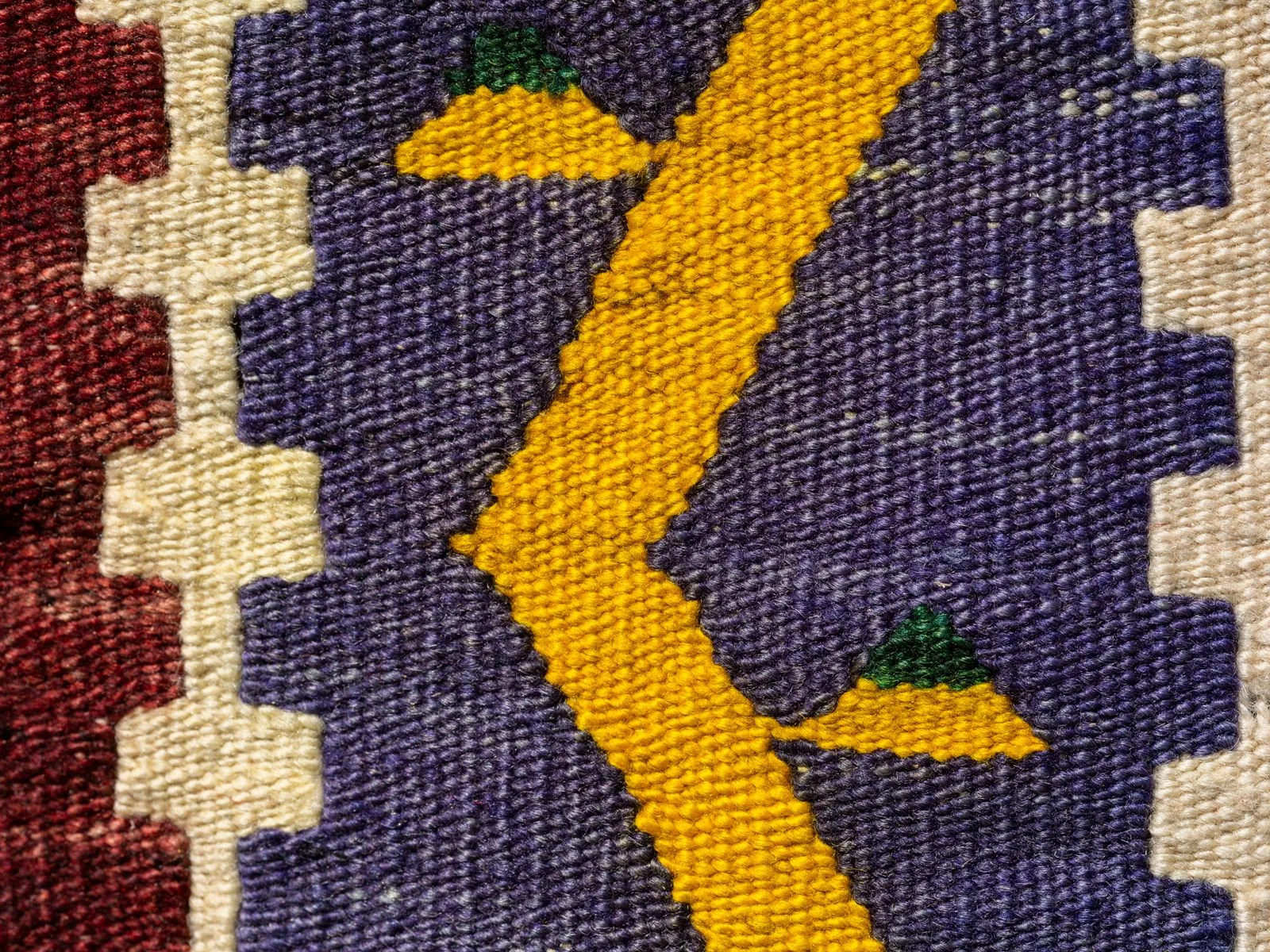 1
1The best wool area rugs for living rooms and bedrooms — hand-tufted, flatweave and hand-knotted…
Read Guide →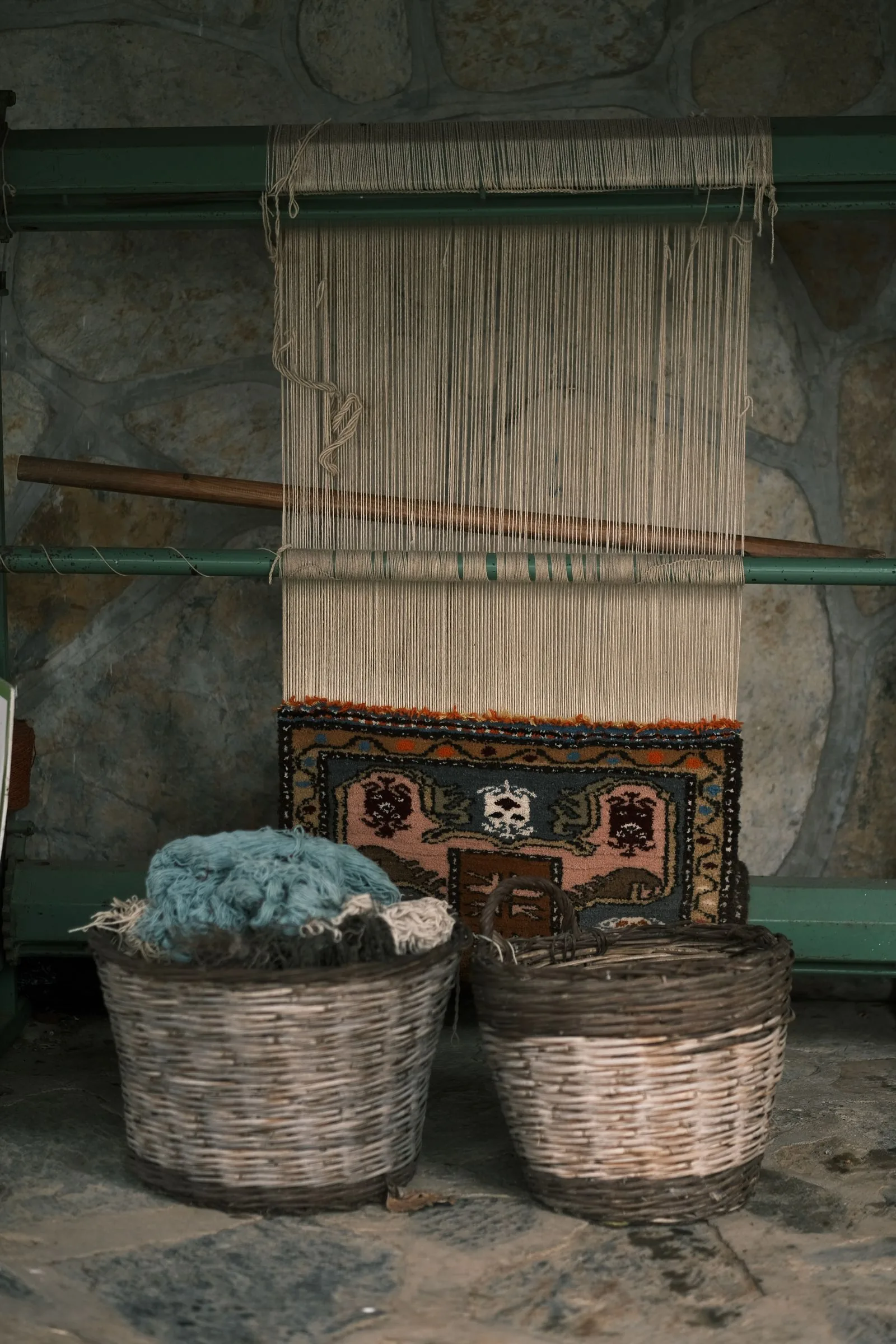 2
2The best hand-knotted rugs to buy and how to judge quality — knot density, wool grade and origi…
Read Guide →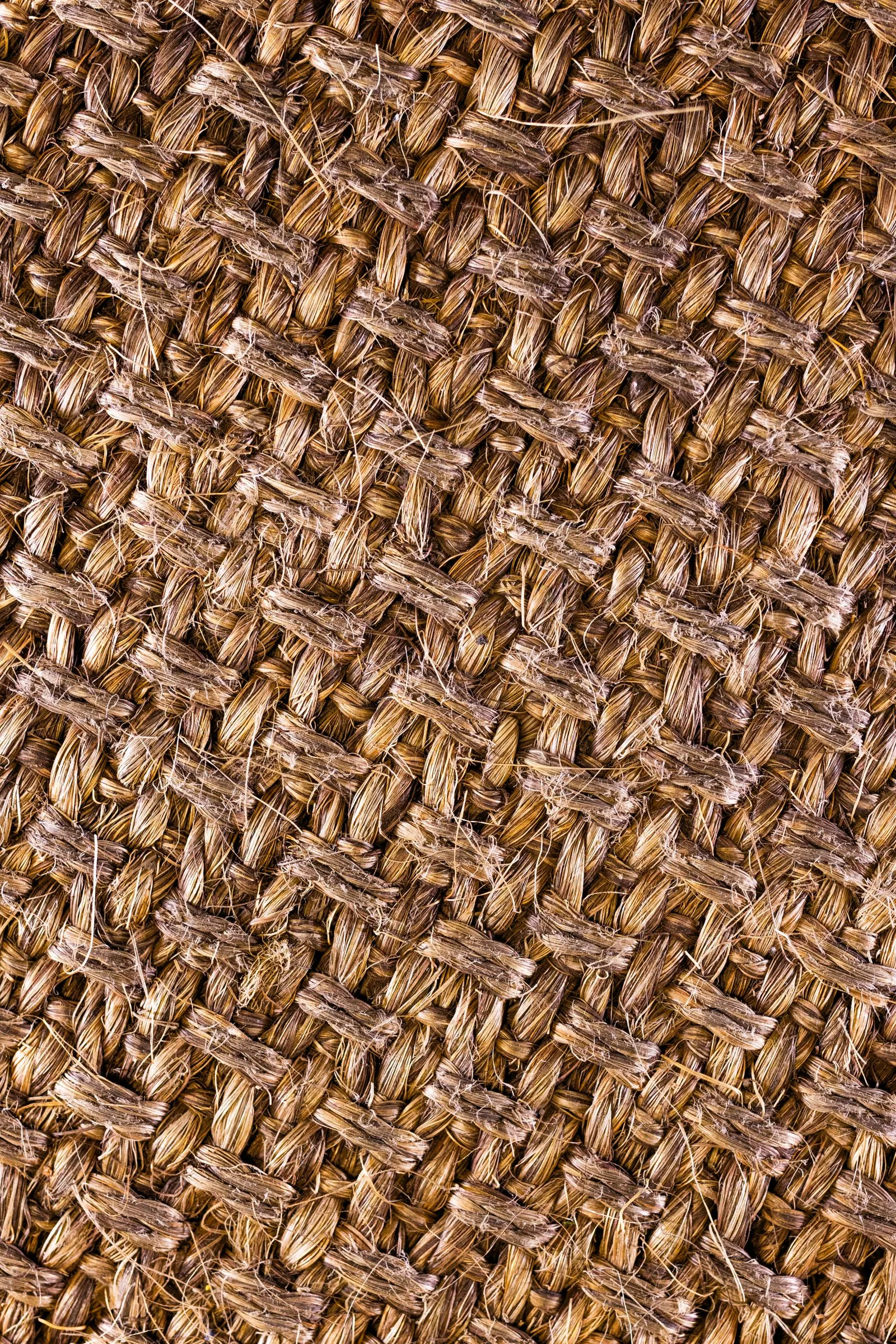 3
3The best jute rugs for layering and natural texture — soft jute, jute-and-wool blends and boucl…
Read Guide →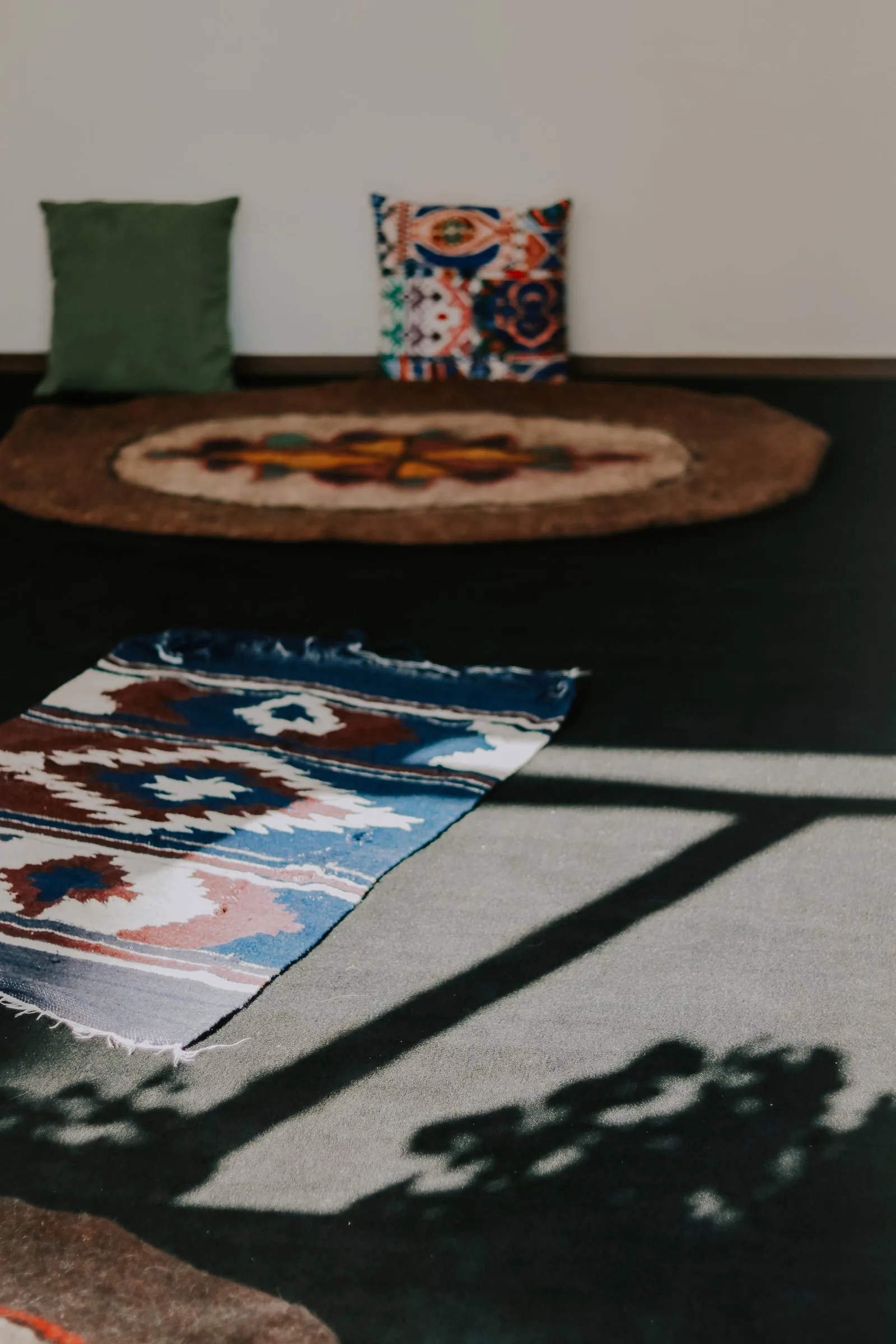 1
1The best boho area rugs — vintage-washed, Moroccan, kilim and fringed styles that bring warm, e…
Read Guide →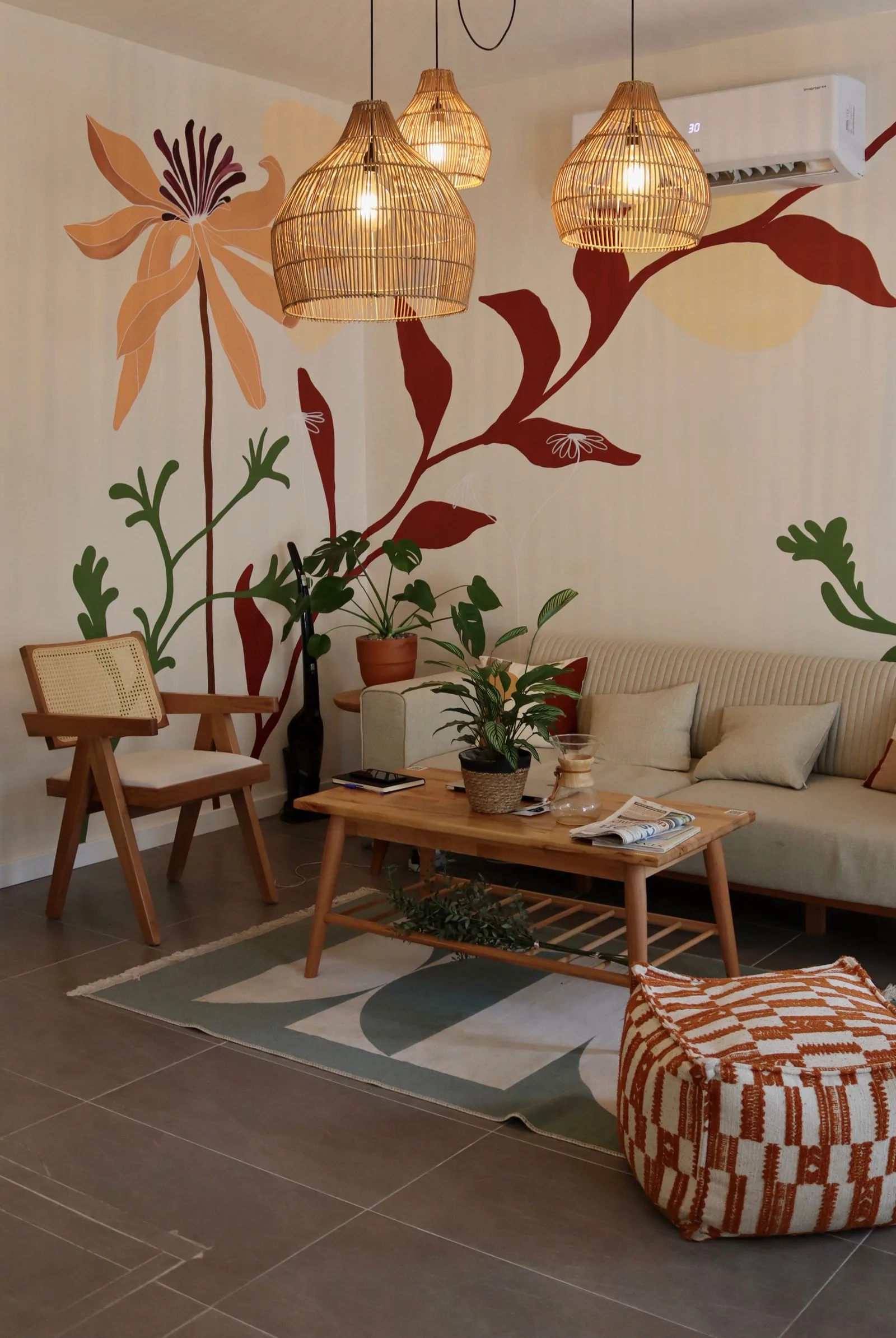 2
2A simple guide to choosing the right area rug size for living rooms, bedrooms and dining rooms …
Read Guide →