The Best Wool Area Rugs for Comfort and Durability

Wool is the best all-round rug fiber: naturally soft, springy, flame-resistant and forgiving of spills. For high-traffic rooms choose a hand-knotted or hand-tufted wool rug in a mid pile; for budget and easy cleaning, a wool flatweave or dhurrie is hard to beat.
If you buy one rug and want it to last, buy wool. It is the fiber every other material is measured against — soft but resilient, warm without overheating, naturally flame-resistant and remarkably good at shrugging off the spills of real family life. The catch is that "wool rug" covers everything from a plush hand-knotted heirloom to a flat, packable dhurrie, and the right choice depends entirely on the room. Below are ten wool rugs worth buying, grouped by how you'll actually use them, plus a buyer's guide to construction and pile.
How we picked: we looked for 100% wool (or honest wool-dominant blends) over synthetics dressed up as wool, matched construction to traffic level, and flagged both the plush picks for comfort and the low-pile weaves for busy rooms. Prices below are rough bands for a large 8x10 unless noted.
Plush wool rugs for living rooms and bedrooms

Where you want a cushioned feel underfoot — under a sofa, beside a bed, in a reading corner — a medium-to-high pile wool rug is the move.
Hand-tufted wool area rug
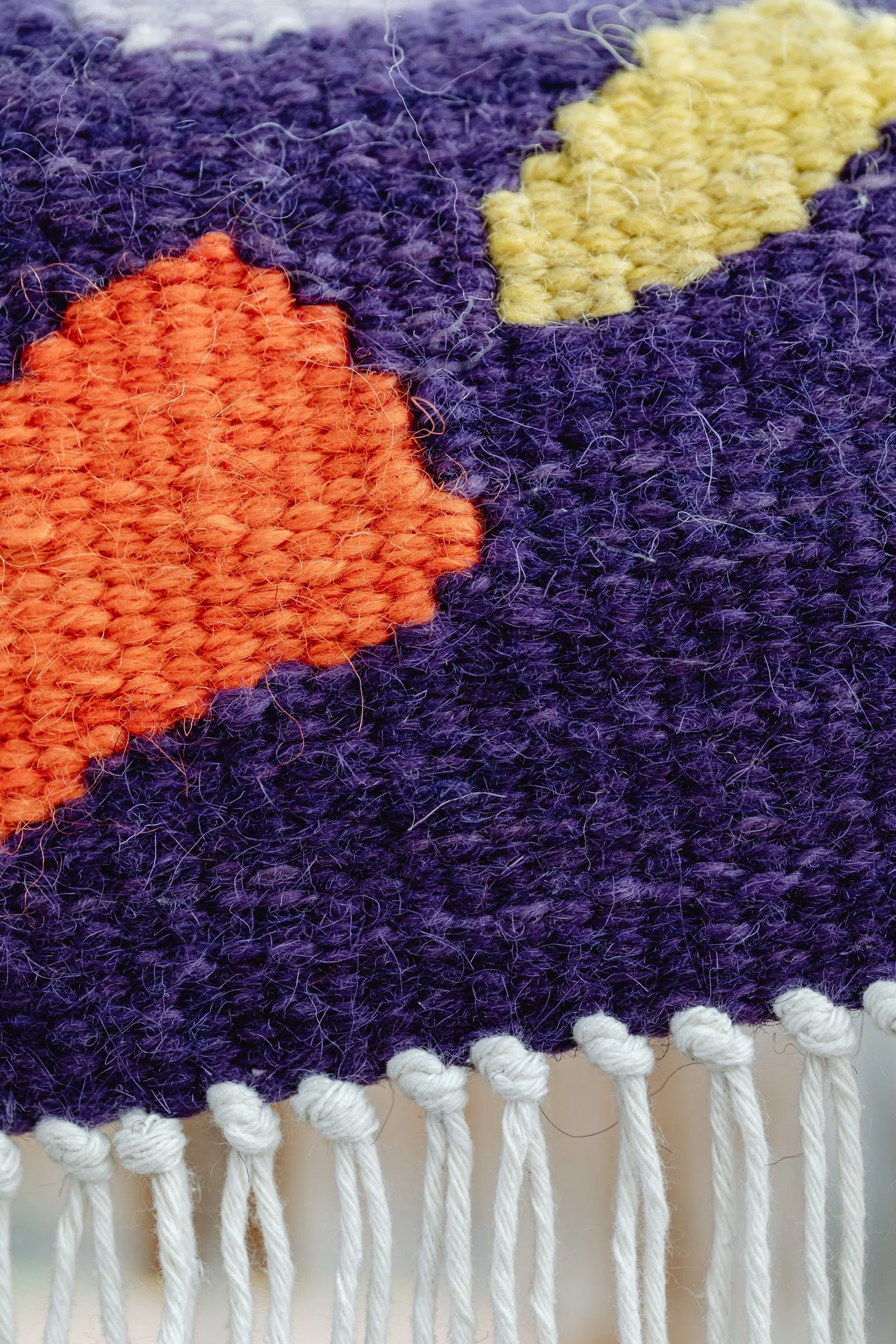
hand-tufted wool area rug — dense, plush pile at the best value in soft wool. Best for bedrooms and family rooms that want comfort without heirloom prices. Pro: thick and soft immediately, wide range of colors. Con: a glued canvas backing means a shorter life than knotted wool, plus a few weeks of shedding. Around $200–$500.
Hand-knotted wool rug, 8x10
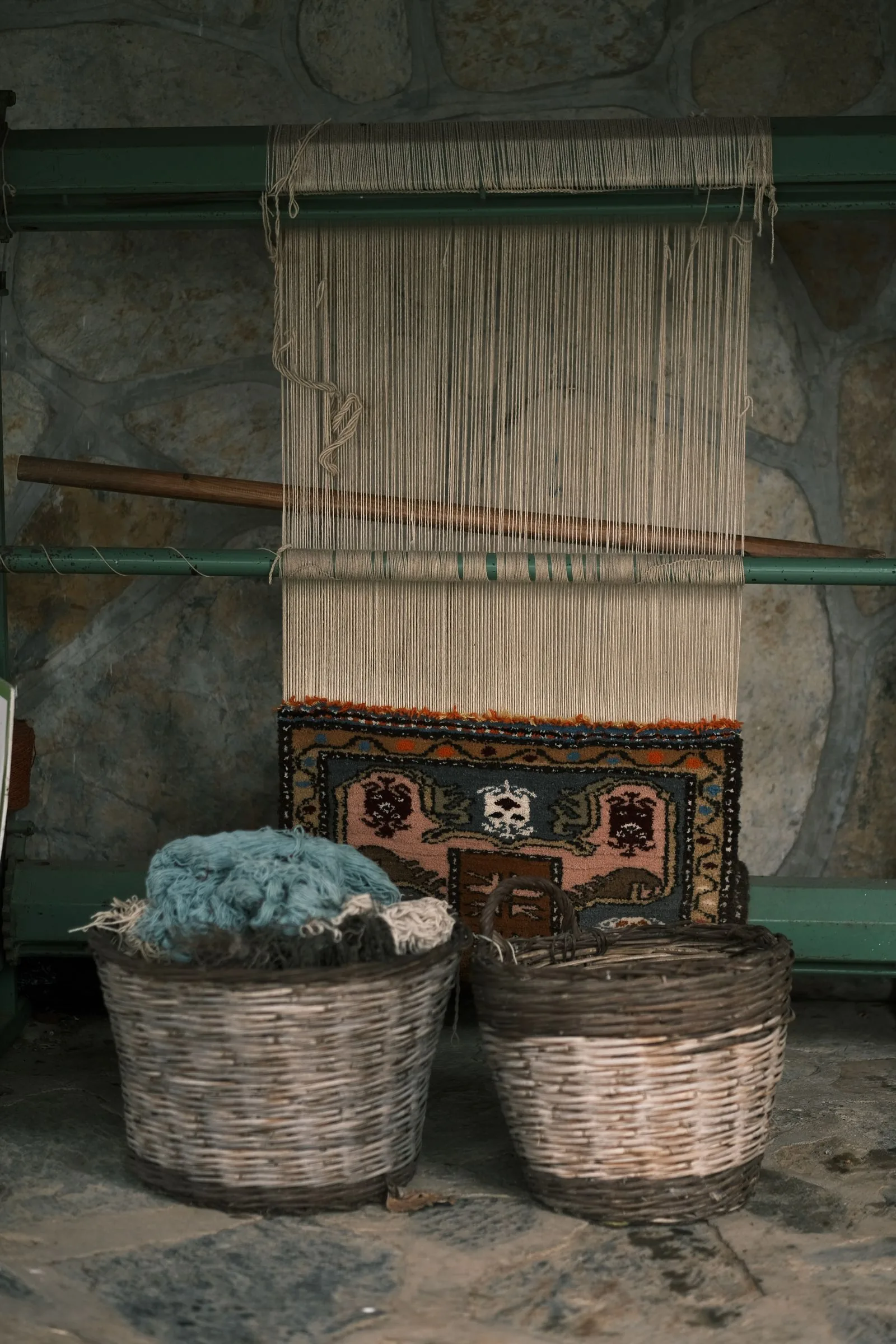
hand-knotted wool rug 8x10 — the longest-lasting option here, tied knot by knot with no glue or backing. Best for a living or dining room you use every day and want to keep for decades. Pro: outlives several synthetic rugs, so the cost-per-year is low. Con: the highest up-front price. Roughly $700–$2,500 by knot density.
Shaggy wool rug, ivory
shaggy wool area rug ivory — a deep, high-pile wool shag for maximum softness underfoot. Best for a bedroom, nursery or a cozy reading nook. Pro: luxuriously soft and warm. Con: the long pile traps crumbs and is harder to vacuum, so keep it out of dining zones. About $250–$600.
Wool-blend rug, 5x8
wool blend area rug 5x8 — a lighter wool-and-viscose or wool-and-cotton blend at a bedroom-friendly size and price. Best for apartments, guest rooms and smaller sitting areas. Pro: the wool gives it body while the blend keeps the cost down. Con: viscose content is less durable and less spill-tolerant than pure wool. Typically $120–$300.
New Zealand wool rug
New Zealand wool area rug — made from bright, resilient New Zealand highland wool that holds color vividly and springs back well. Best for a statement living-room rug that has to look good for years. Pro: superb resilience and rich, lasting color. Con: a premium over generic wool. Around $400–$1,200.
Flatweave wool for high-traffic rooms
Entryways, hallways and dining rooms take a beating, so a low-pile flatweave, dhurrie or kilim is smarter: it hides wear, vacuums in seconds and is often reversible for double the life.
Wool flatweave dhurrie
wool flatweave dhurrie rug — a thin, tightly woven reversible rug with no pile to crush. Best for dining rooms, hallways and layering over a larger natural-fiber rug. Pro: reversible, low-profile and easy to clean; flips over when one side tires. Con: firmer and less cushioned underfoot. About $120–$350.
Wool kilim rug
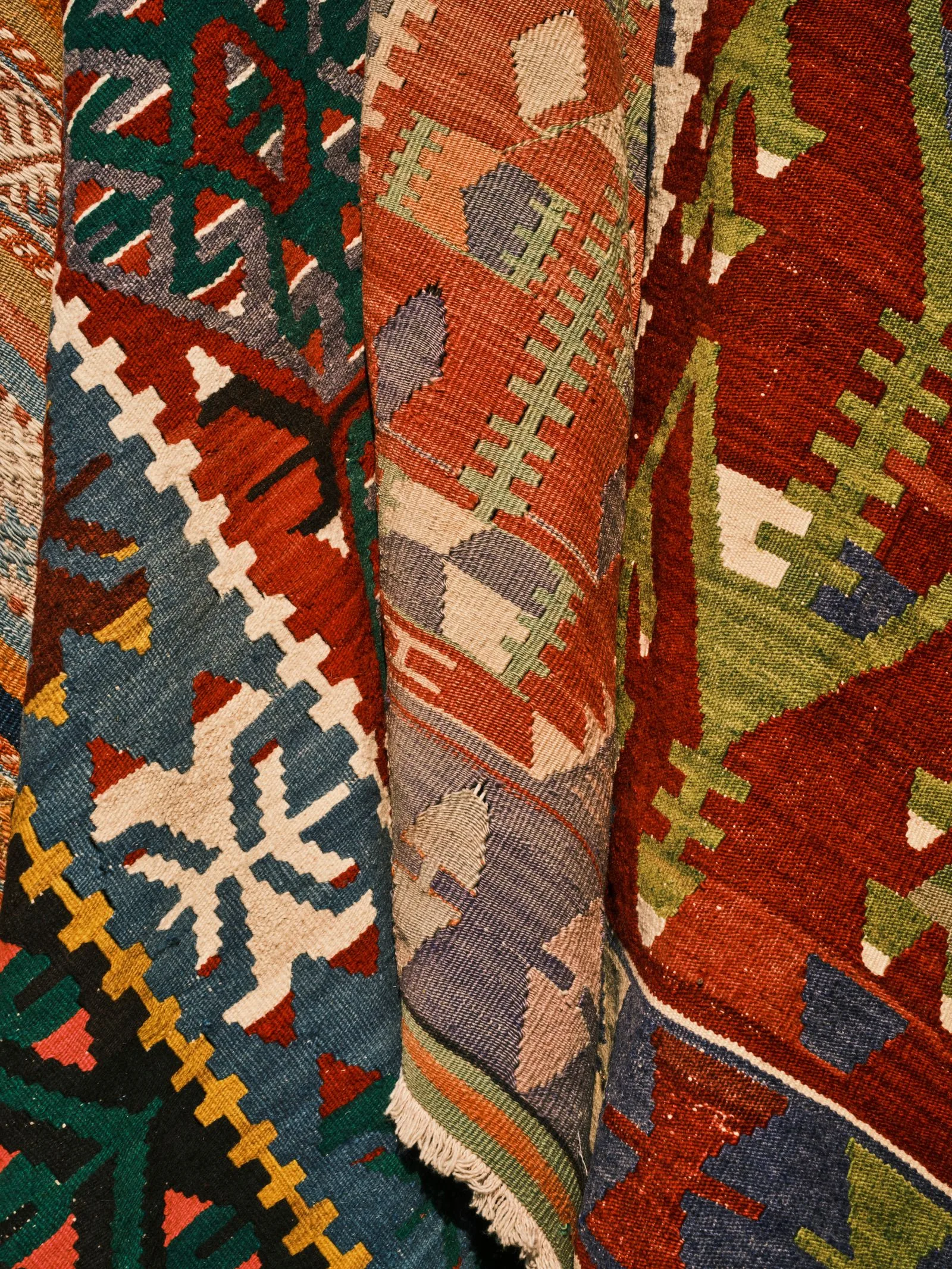
wool kilim area rug — a flatwoven rug in bold geometric color, handwoven in the Anatolian and Persian tradition. Best for entryways and boho rooms where pattern hides everyday dirt. Pro: striking color that disguises traffic and spills. Con: the strong pattern isn't for minimalist rooms. Roughly $150–$500.
Wool Berber rug
wool berber area rug — a looped, low-to-mid pile wool in cream with simple charcoal linework. Best for open-plan living and modern rooms that want texture, not pattern. Pro: hard-wearing loops and a clean, current look. Con: snagged loops should be trimmed, never pulled. Around $200–$550.
Wool hallway runner
wool runner rug hallway — a long, low-pile wool weave built for the busiest strip of floor in the house. Best for hallways, kitchens and stair landings. Pro: wool durability exactly where you need it most. Con: needs a non-slip pad underneath. Typically $70–$200 by length.
How to choose a wool rug: construction and pile
Two things decide how a wool rug performs. Construction: hand-knotted lasts longest and costs most; hand-tufted is soft and affordable but shorter-lived; flatweave is thin, tough and reversible; machine-loomed wool is the budget middle ground. Pile height: high pile is plush but harder to clean and better for low-traffic bedrooms, while low pile and flatweave shrug off traffic and suit dining and entry zones. Whatever you choose, a felt-and-rubber pad underneath stops slipping, adds cushioning and noticeably extends the rug's life.
Wool rugs with kids and pets
Wool is one of the best rug fibers for a busy household, and the reason is chemistry: each fiber is coated in lanolin, a natural oil that repels water and stops spills soaking in immediately. That gives you crucial seconds to blot up juice, wine or muddy paw prints before they set. Wool is also naturally flame-resistant and doesn't build up static the way synthetics do, so it holds less dust and pet dander. For homes with kids and animals, choose a low-to-medium pile in a mid-tone or patterned design — a busy Berber, kilim or Moroccan diamond hides the day-to-day better than a plain pale field.
What wool doesn't love is being scrubbed hard or steam-cleaned, both of which can felt the fibers. Blot, don't rub; lift solids with a spoon; and treat stubborn marks with a wool-safe cleaner. A good pad underneath protects the back of the rug from grit ground in by little feet.
Is a wool rug worth it over synthetic?
For most rooms, yes. A quality wool rug outlasts several polyester or polypropylene rugs, feels far better underfoot, resists crushing and holds color richly for years, so the higher price averages out to good value over its life. Synthetics only really win in three situations: a tight one-off budget, a fully outdoor space, or a constantly wet area like a mudroom or poolside, where wool isn't ideal. Everywhere else — living rooms, bedrooms, dining rooms, hallways — wool is the fiber worth paying for, and a hand-knotted or hand-tufted wool rug is the one you'll still be happy with in a decade.
Living with wool: shedding, cleaning and care
New wool rugs — especially hand-tufted ones — shed loose fibers for the first few weeks; gentle regular vacuuming clears it and it slows dramatically after a month or two. Wool naturally resists staining because lanolin repels water, but blot spills immediately rather than rubbing them in. Vacuum without a beater bar, rotate the rug twice a year, and treat deep stains with a wool-safe cleaner rather than a steam cleaner, which can felt the fibers. Want the Himalayan look specifically? See our best Tibetan rugs; for a natural layering base, go to jute rugs; and size it right with our rug size guide.