How to Choose an Area Rug Size for Every Room
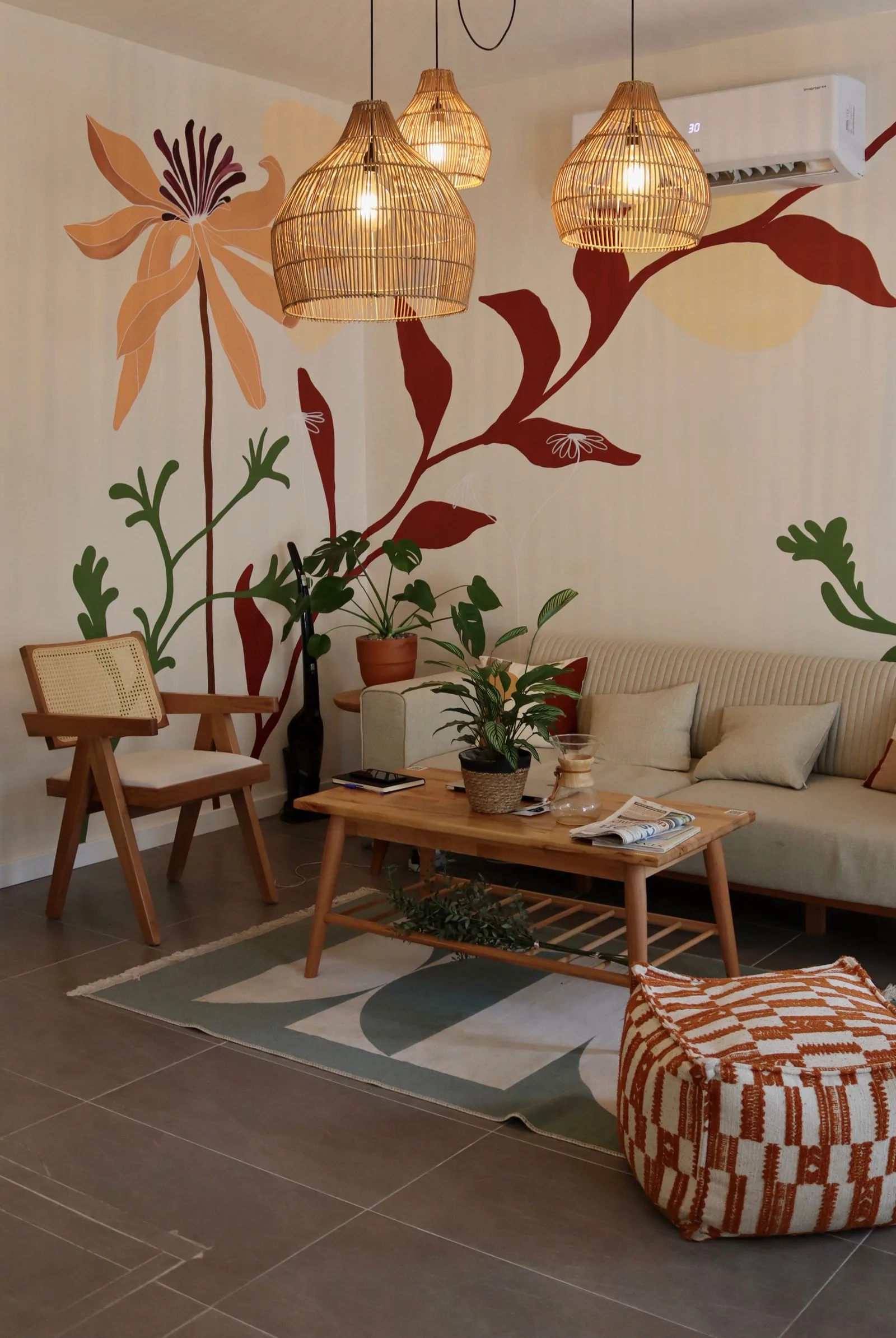
The most common mistake is a rug that is too small. As a rule, get a rug big enough that the front legs of your furniture sit on it, leave 10–18 inches of floor showing around the edges, and in dining rooms make sure chairs stay on the rug when pulled out.
The single biggest decorating mistake with rugs is going too small — a postage-stamp rug floating in the middle of a room makes the whole space feel cheap and disjointed, and it's the number-one reason a rug "looks wrong" even when the color is perfect. The fix is a handful of simple rules that professional stylists follow every time. This guide walks through them room by room, with the standard sizes, a quick reference table, and the front-legs rule that keeps you out of trouble.
The golden rules of rug size
Three principles cover almost every room. First, bigger is nearly always better — when torn between two sizes, size up. Second, furniture should touch the rug: at minimum the front legs of your seating should rest on it so the arrangement reads as one connected group. Third, leave a consistent border of about 10–18 inches of bare floor between the rug and the walls, so the rug frames the room instead of imitating fitted carpet.
Standard rug sizes at a glance
Rugs come in a handful of near-universal sizes. Here's what each one is typically for:
| Size | Best for |
|---|---|
| 3x5 / 4x6 | Entryways, kitchens, layering, beside a bed |
| 5x8 | Small living rooms, apartments, under a queen bed |
| 6x9 | Medium living rooms, dining tables for four |
| 8x10 | The default living-room size for most homes |
| 9x12 | Large and open-plan living rooms, big dining tables |
| 2x8 runner | Hallways, kitchen galleys, the sides of a bed |
Living rooms
Aim for a rug large enough that at least the front legs of your sofa and chairs rest on it — this visually ties the seating together and defines the conversation area. In bigger or open-plan rooms, put all the furniture legs on the rug for a more luxurious, grounded feel. Only in a very small room should the rug sit entirely in front of the sofa, and even then keep it wide enough to span the full sofa width. An 8x10 is the reliable default; step up to 9x12 for larger footprints.
8x10 area rug
area rug 8x10 wool — the reliable default for most living rooms, big enough to catch the front legs of a standard three-seat sofa and its chairs. Pro: suits the majority of American living rooms without measuring gymnastics. Con: too large for small apartments. The size to buy if you're unsure.
9x12 area rug
area rug 9x12 large — for open-plan spaces and larger seating groups where you want every furniture leg on the rug. Pro: the luxurious, fully-grounded look. Con: needs real floor space and costs more. Ideal for great rooms and lofts.
5x8 area rug
area rug 5x8 — for apartments, condos and smaller sitting areas where 8x10 would swallow the room. Pro: right-sized and affordable for compact spaces. Con: often only catches the coffee table and sofa front. The small-space pick.

Bedrooms
In a bedroom, the rug's job is to give you softness underfoot when you get out of bed. Run a large rug under the lower two-thirds of the bed so it extends well past the sides and foot — an 8x10 under a queen, 9x12 under a king. Alternatively, skip the big rug and place a pair of runners along each side of the bed, or a single runner across the foot.
6x9 area rug
area rug 6x9 — the versatile mid-size that works under a queen bed or a four-seat dining table. Pro: fits medium rooms where 8x10 is a touch big. Con: can look small in a large primary bedroom. A flexible in-between size.
2x8 runner rug
runner rug 2x8 — for hallways, kitchen galleys and running down the sides of a bed. Pro: warms up narrow spaces that can't take an area rug. Con: needs a non-slip pad on hard floors. Buy in pairs for either side of a bed.
Dining rooms
The dining-room rule is simple: the rug must be large enough that the chairs stay fully on it even when pulled out to sit down. That means at least 24 inches of rug beyond the table on every side — for a standard six-seat table, that's usually an 8x10 or 9x12. A rug that's too small catches the back chair legs on the edge and makes every meal a wobble. Flatweaves and low-pile wool are easiest to slide chairs across and to clean.
Non-slip rug pad
rug pad non-slip — the upgrade every rug needs, whatever the room. A felt-and-rubber pad grips the floor, adds cushioning, reduces wear from below and stops slipping. Pro: extends rug life and makes any rug feel more expensive underfoot. Con: buy it one size smaller than the rug so it doesn't peek out. Cheap and non-negotiable.
Measure before you buy
Tape out the rug's exact footprint on the floor with painter's tape before you order — it takes two minutes and prevents an expensive return. Stand back, live with the outline for a day, and check the border of bare floor looks even on all sides. Once you've locked the size, choose the material for the room in our wool, jute and Tibetan rug guides, and see the boho rug guide if you plan to layer.