The Best Hand-Knotted Rugs: A Buyer's Guide
A hand-knotted rug is tied knot by knot on a loom and can last 50 years or more. Judge quality by knot density (higher is finer), wool grade and natural dyes. It costs more up front but the lowest cost-per-year of any rug — and it can appreciate.
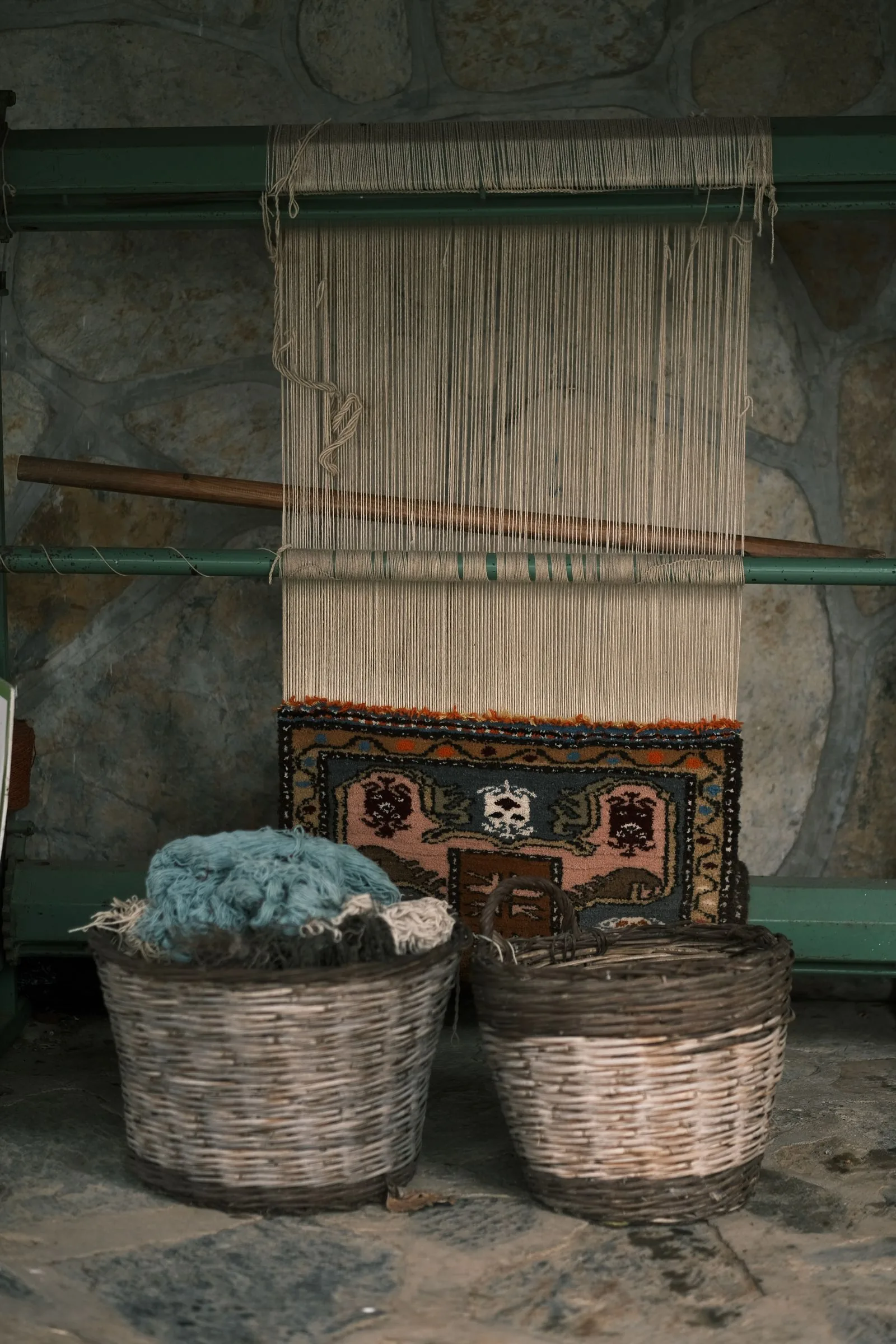
Hand-knotting is the oldest and finest way to make a rug, and it remains the gold standard. Each knot is tied by hand around the warp threads, so a single rug can hold hundreds of thousands of knots and take months — sometimes years — to complete. That labor is exactly why a hand-knotted rug lasts fifty years or more, why it can appreciate rather than wear out, and why it is worth understanding what you're buying. Below are ten hand-knotted rugs worth the investment, from durable everyday wool to fine wool-and-silk, plus how to read knot density and tell the real thing from a convincing fake.
How we picked: we prioritized genuine hand-knotted construction (no glue, no backing), real wool and silk over synthetics, and honest knot density for the price, spanning tribal value pieces to fine formal rugs so there's a real hand-knotted option at most budgets.
Hand-knotted rugs worth the investment

These are pieces you buy once. Wool is the durable everyday choice; a touch of silk adds fine detail and a subtle sheen.
Hand-knotted wool rug
hand-knotted wool area rug — the durable everyday heirloom that outlives every synthetic rug you'd otherwise replace. Best for a living or dining room in daily use. Pro: decades of life mean the lowest true cost-per-year. Con: a real up-front investment. Roughly $700–$2,500 for an 8x10 by knot density.
Hand-knotted Persian-style rug
hand-knotted persian style rug — intricate medallions and borders tied the traditional way in wool. Best for a formal living or dining room that wants classic pattern. Pro: timeless design and superb durability. Con: the detailed layout suits traditional rooms more than minimalist ones. About $600–$3,000.
Hand-knotted wool-and-silk rug
hand-knotted wool and silk rug — wool ground with silk highlights for finer knots and a soft luster that shifts in the light. Best for a bedroom or formal room where you want quiet luxury. Pro: fine detail and sheen wool alone can't match. Con: silk areas show footprints and need gentle care. Roughly $900–$4,000.
Hand-knotted Oushak rug
hand-knotted oushak rug — soft, large-scale Turkish patterns in faded, gentle tones. Best for a warm, collected living room that wants pattern without punch. Pro: muted palette flatters almost any room. Con: the low-contrast look is subtle, not a statement. About $500–$2,500.
Hand-knotted medallion rug
hand-knotted wool medallion rug — a central medallion framed by a patterned border, echoing classic city carpets. Best as a focal anchor for a seating group. Pro: grounds and centers a room instantly. Con: wants furniture arranged around the center. Roughly $500–$2,000.
Value hand-knotted rugs
Hand-knotted doesn't always mean thousands. Tribal and lower-density pieces give you genuine knotted construction for less.
Hand-knotted tribal rug
hand-knotted tribal wool rug — looser knots and bold, geometric village patterns woven by nomadic and rural weavers. Best for a boho or characterful room on a budget. Pro: real hand-knotting at an accessible price, full of individuality. Con: lower knot count means less fine detail. Around $250–$800.
Hand-knotted flatweave kilim
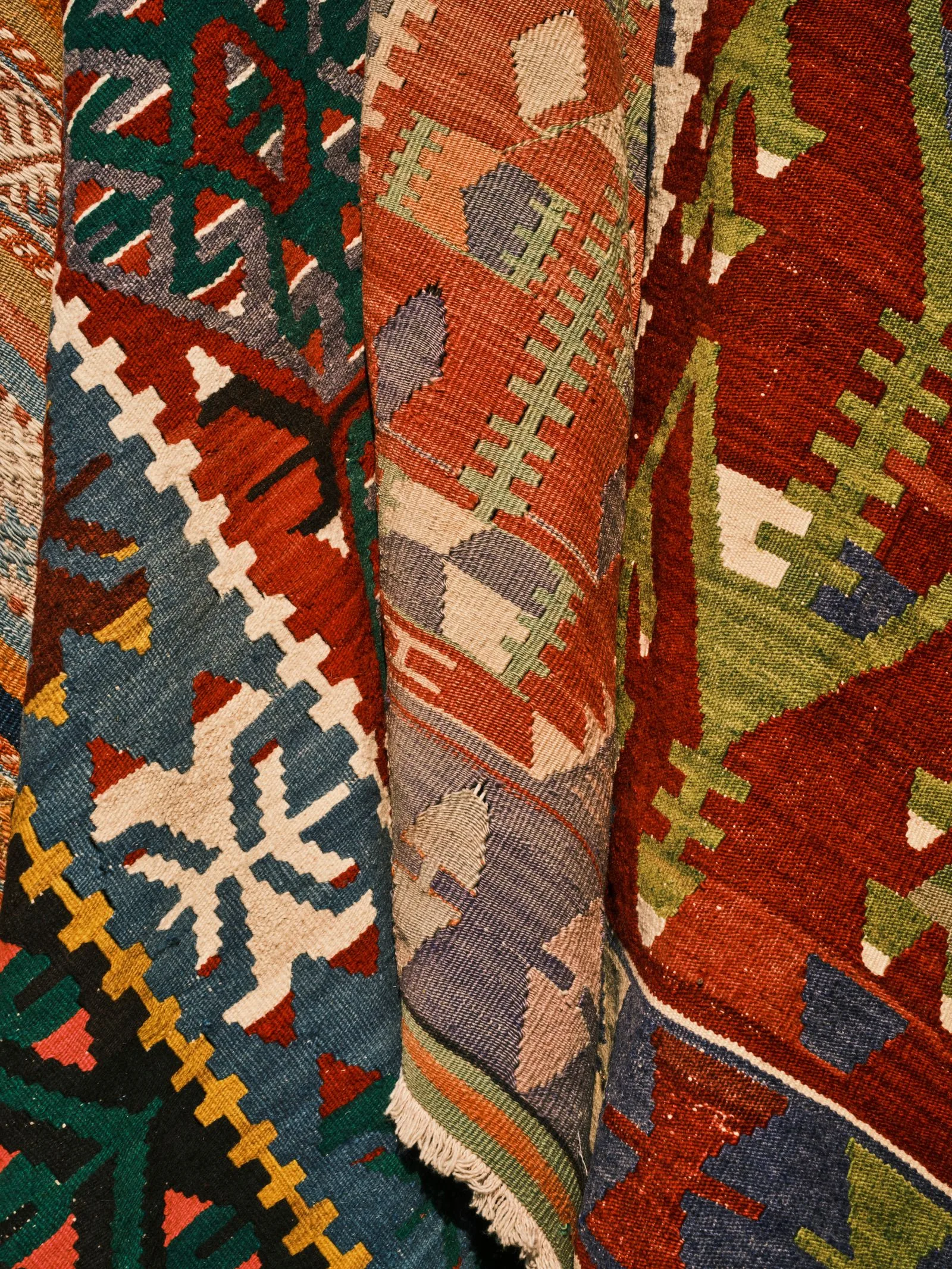
hand-knotted kilim rug — a knotted-and-woven flat rug in bright geometric color. Best for entryways, layering and rooms that want pattern over pile. Pro: tough, reversible and colorful. Con: firm and thin underfoot. About $200–$700.

Hand-knotted wool runner
hand-knotted wool runner rug — a long knotted weave for hallways and stairs that will genuinely last. Best for putting heirloom quality where floors take the most traffic. Pro: exceptional durability in the busiest spots. Con: knotted runners cost more than machine-made ones. Roughly $200–$600 by length.
Fine hand-knotted rug, 8x10
fine hand-knotted area rug 8x10 — a high-knot-density piece (200 KPSI and up) for a formal room where detail matters. Best when you want the finest pattern and the longest life. Pro: exquisite detail and collector-grade durability. Con: the top of the price range. From $1,500 well into five figures for rare pieces.
Hand-knotted natural-dye rug
hand-knotted natural dye rug — knotted wool colored with plant and mineral dyes that age gracefully. Best for buyers who want authenticity down to the pigment. Pro: mellow, colorfast tones that soften over decades. Con: natural dyes cost more than synthetic. Around $600–$3,000.
How to read knot density
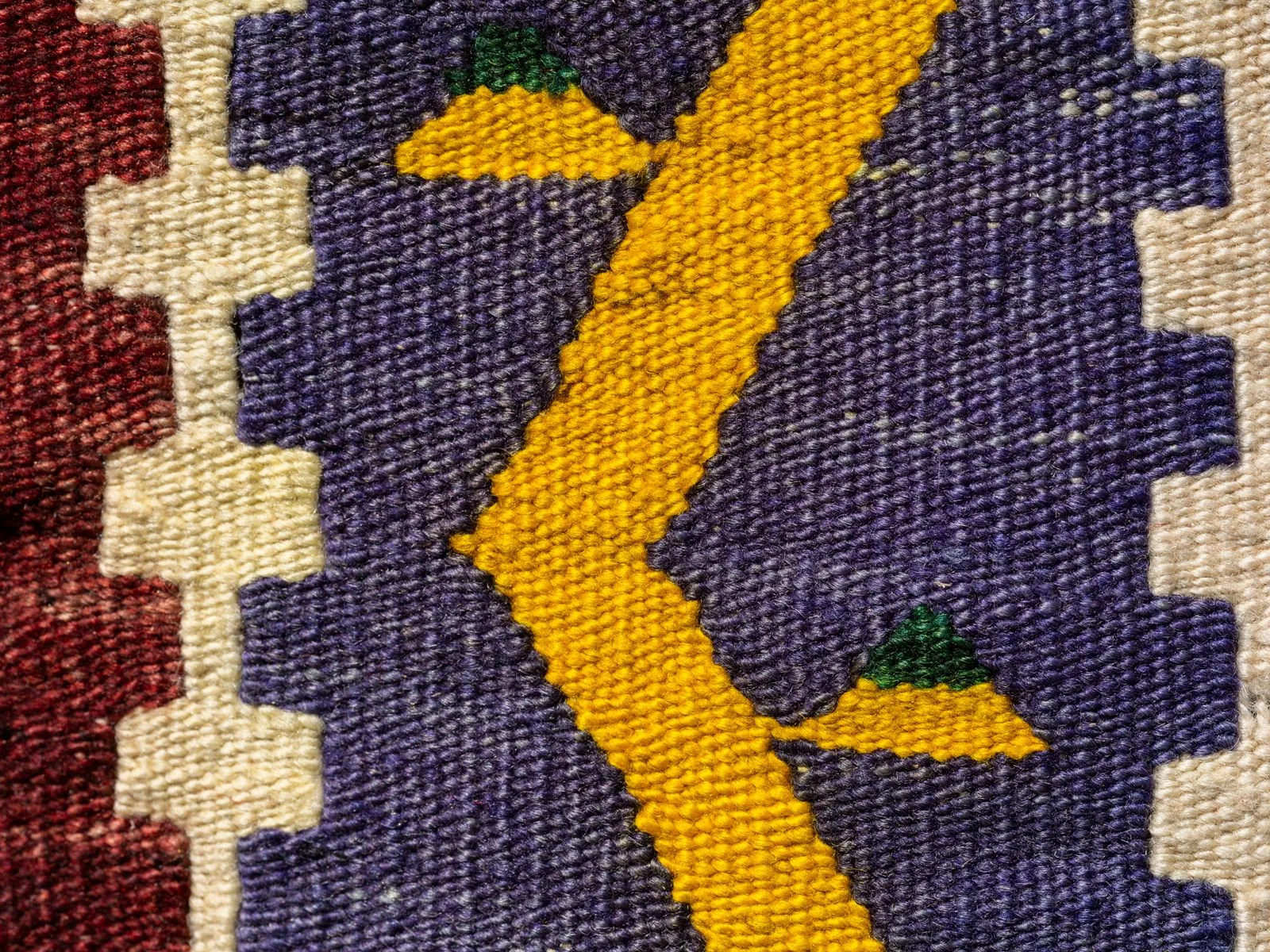
Flip the rug over. On a genuine hand-knotted rug you'll see the pattern clearly on the back, made up of slightly irregular, individual knots, with a fringe that is an extension of the rug rather than sewn on. Knots per square inch (KPSI) tells you the fineness: anything above roughly 100 KPSI is a solid everyday rug, 150–250 is fine, and collector pieces climb into the hundreds. Higher density mainly buys finer detail and a thinner, more precise pile — it doesn't automatically mean more durability, which comes just as much from good wool.
How long do hand-knotted rugs last?
Properly cared for, a hand-knotted wool rug lasts a lifetime — commonly 30 to 50 years in daily use, and far longer for finer pieces kept in gentler rooms. There's a reason antique hand-knotted rugs are still traded a century after they were made: with no glue to break down and no synthetic backing to crumble, the rug is simply wool tied around cotton or wool foundation threads, and both age gracefully. This longevity is the whole financial argument for hand-knotting. A $1,500 rug that lasts 40 years costs under $40 a year; a $300 machine-made rug replaced every five years costs more over the same span and never feels as good underfoot.
To reach that lifespan, rotate the rug twice a year, keep it out of harsh direct sun, use a pad, and have it professionally washed every few years rather than home-steamed. Damage from moths or a bad spill can usually be re-knotted by a rug repairer — another thing you simply can't do with a tufted or machine-made rug.
Where hand-knotted rugs come from
Origin tells you a lot about a rug's character. Tibet and Nepal give you the springy Tibetan knot and thick Himalayan highland wool, often in modern and traditional designs alike. Iran (Persian) is the historic home of the finest floral and medallion rugs. Turkey produces the softer, faded Oushak and bold kilim traditions. India and Pakistan weave a huge range from tribal to fine reproductions at accessible prices. None is automatically "best" — a well-made rug from any of these regions can be excellent — but knowing the origin helps you understand the wool, the knot and the design language you're buying into. Where you can, look for a GoodWeave label, which certifies the rug was made without child labor.
Hand-knotted vs hand-tufted: don't confuse them
This is the trap most buyers fall into. Hand-tufted rugs are punched into a backing and sealed with a glued canvas layer — cheaper and softer, but the glue eventually breaks down and they're far shorter-lived. Hand-knotted rugs have no glue and no backing, which is exactly why they endure for generations. If the back is covered in fabric or the fringe is stitched on, it isn't hand-knotted. For the Himalayan tradition specifically, see our best Tibetan rugs; for softer, more affordable everyday options, our wool rug guide has you covered; and size it correctly with the rug size guide.