The Best Singing Bowls for Meditation and Sound Healing
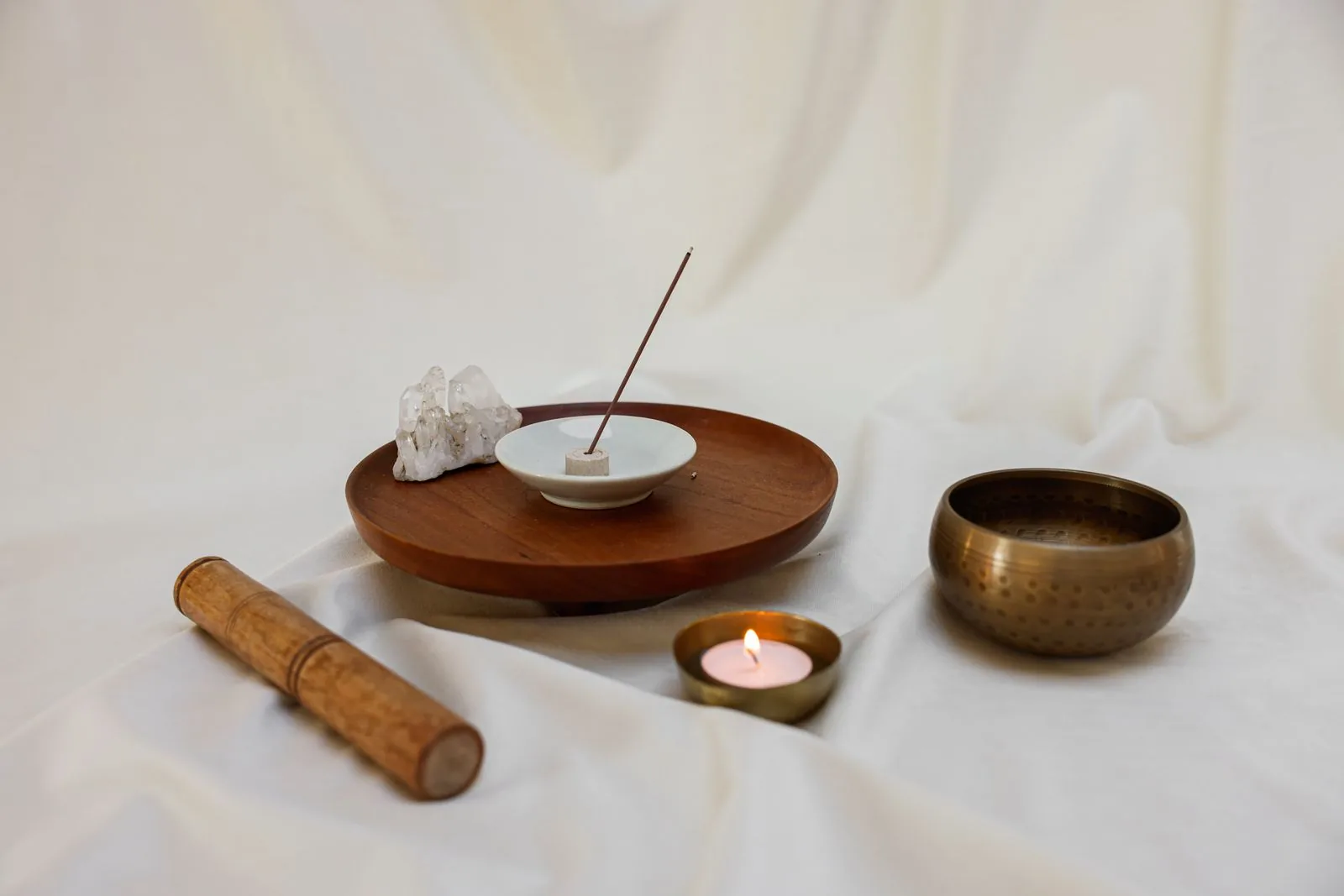
For beginners, a hand-hammered Tibetan (metal) bowl of 4–6 inches ($25–$60) is the most versatile and forgiving choice — easy to play and rich in overtones. Crystal quartz bowls produce a purer, more powerful single tone and cost more ($60–$150+). Both should come with a mallet and cushion.
A singing bowl gives meditation something to rest on — a clear, sustained tone that settles the room and the mind the moment it sounds. Whether you use one to open a sitting, to punctuate breathwork, or simply to unwind at the end of a long day, choosing the right bowl makes all the difference. Below are ten singing bowls worth buying, split between traditional hand-hammered metal bowls and pure crystal bowls, with a buyer's guide to size, tone and what should come in the box.
How we picked: we compared bowls on tone quality and sustain, ease of play for beginners, and whether they ship complete with a mallet and cushion, covering both the forgiving metal bowls we'd hand a first-timer and the powerful crystal bowls favored for sound baths.
Tibetan (metal) singing bowls
The traditional choice, made from hammered metal alloy. They're forgiving to play, portable, and produce warm, complex overtones — the best all-round starting point for almost everyone.
Tibetan singing bowl set
Tibetan singing bowl set — a complete beginner kit with the bowl, a wooden mallet and a cushion to rest it on. Best as a first bowl you can use the day it arrives. Pro: everything included, forgiving to play. Con: mass-produced sets vary in tone, so buy from a seller with sound samples. Around $25–$50.
Hand-hammered bowl, 5 inch
hand-hammered singing bowl 5 inch — the versatile mid-size with rich, complex harmonics from visibly hammered metal. Best all-round bowl for daily practice. Pro: warm layered overtones and an easy size to handle. Con: genuine hand-hammered costs more than machine-made. About $40–$90.
Antique-style Tibetan bowl
antique style Tibetan bowl — an aged, darker-patina bowl with a deeper tone and traditional character. Best for a lower, more resonant sound and collectors. Pro: beautiful character and a grounding low note. Con: "antique" is often a finish, not real age — mind the price. Roughly $50–$150.
Small bowl, 4 inch
small singing bowl 4 inch — a compact, bright, portable bowl. Best for travel, a desk, or punctuating breathwork with a higher tone. Pro: pocketable and easy to play. Con: short sustain compared with larger bowls. Around $20–$45.
Large bowl, 8 inch
large singing bowl 8 inch — a heavier metal bowl with a deep tone and long, enveloping sustain. Best for filling a room and for sound-healing sessions. Pro: rich, lingering low note. Con: less portable and pricier. About $70–$180.
7-bowl chakra set
chakra singing bowl set of 7 — a graduated set of seven bowls, each tuned toward a different note/chakra. Best for sound practitioners and enthusiasts. Pro: a full tonal range for layered sessions. Con: a real commitment in cost and storage. Roughly $150–$400.
Crystal singing bowls
Made from pure quartz, crystal bowls produce a purer, louder and more penetrating single tone, often tuned to a specific note or chakra. They're heavier, more fragile and pricier, but powerful for sound-healing work.
Crystal quartz bowl
crystal quartz singing bowl — a clear-quartz bowl with a clean, resonant tone tuned to a specific note. Best when you want one pure sound rather than complex overtones. Pro: striking clarity and strong volume. Con: fragile and needs careful storage. Around $60–$150.
Frosted crystal bowl, 8 inch
frosted crystal singing bowl 8 inch — a frosted-quartz bowl with powerful, long sustain built for sound baths. Best for practitioners running group sessions. Pro: huge, enveloping resonance. Con: heavy, delicate and expensive. About $90–$220.
Clear crystal bowl with handle
clear crystal singing bowl with handle — a transparent "crystal singing pyramid" style bowl with a striker handle, easy to play while held. Best for portable sound work. Pro: beautiful clarity and simple to sound. Con: among the priciest options. Roughly $80–$200.
How to choose: size, tone and what's included
Two factors decide the sound. Size: smaller bowls (4–6 inches) give higher, brighter tones and are easy to handle, while larger bowls (7 inches and up) give deeper notes and a longer sustain that fills a room. Material: metal bowls are warm, complex, forgiving and portable — the right start for most people — while crystal bowls are pure, loud and focused but fragile and costly. Always check the bowl ships with a mallet (essential — without the right striker you can't produce the singing tone) and ideally a cushion or ring to rest it on. Where you can, buy from a listing with an audio sample.
What are singing bowls used for?
A singing bowl is more versatile than it first looks. Most people use one to open and close a meditation — a single clear strike signals the mind to arrive and, at the end, to return — which turns an ordinary sitting into a small ritual. In yoga and breathwork, the sustained tone marks transitions and holds attention on the breath. In sound healing and sound baths, one or several bowls are played continuously, the overlapping overtones and gentle vibration used to promote deep relaxation.
Beyond formal practice, plenty of people simply keep a bowl on a desk or shelf and sound it when they need to reset in a stressful moment — the tone and the act of listening to it fade are a two-second nervous-system break. There's no wrong way to use one; the bowl is a tool for bringing your attention to a single, spacious sound.
Caring for your singing bowl
Bowls are low-maintenance but not indestructible. Metal bowls can be wiped with a soft dry cloth; if they tarnish, a little metal polish or a paste of lemon and salt restores the shine, though many players prefer to leave the natural patina. Crystal bowls are fragile — store them padded, away from edges, and lift rather than slide them, since a knock can chip or crack the quartz. Keep the mallet's suede or wood surface clean, as grime on the striker dulls the tone.
When you're not using a bowl, rest it on its cushion rather than bare on a hard surface, which can damage both the bowl and the table. Stored sensibly, a good bowl will sound as clear in twenty years as the day you bought it.
How to play a singing bowl
Rest the bowl on its cushion in your palm or on a flat surface. To sound it, either strike the outside rim gently with the padded mallet for a single tone, or circle the mallet slowly and evenly around the outside of the rim, keeping firm, steady contact, to build the sustained "singing" note. Go slowly — rushing makes it chatter or rattle. Let the sound fade completely before striking again. Pair a bowl with incense and a zafu cushion to complete your space, and anchor the sitting itself with a set of mala beads.