The Best Mala Beads: A Complete Buyer's Guide
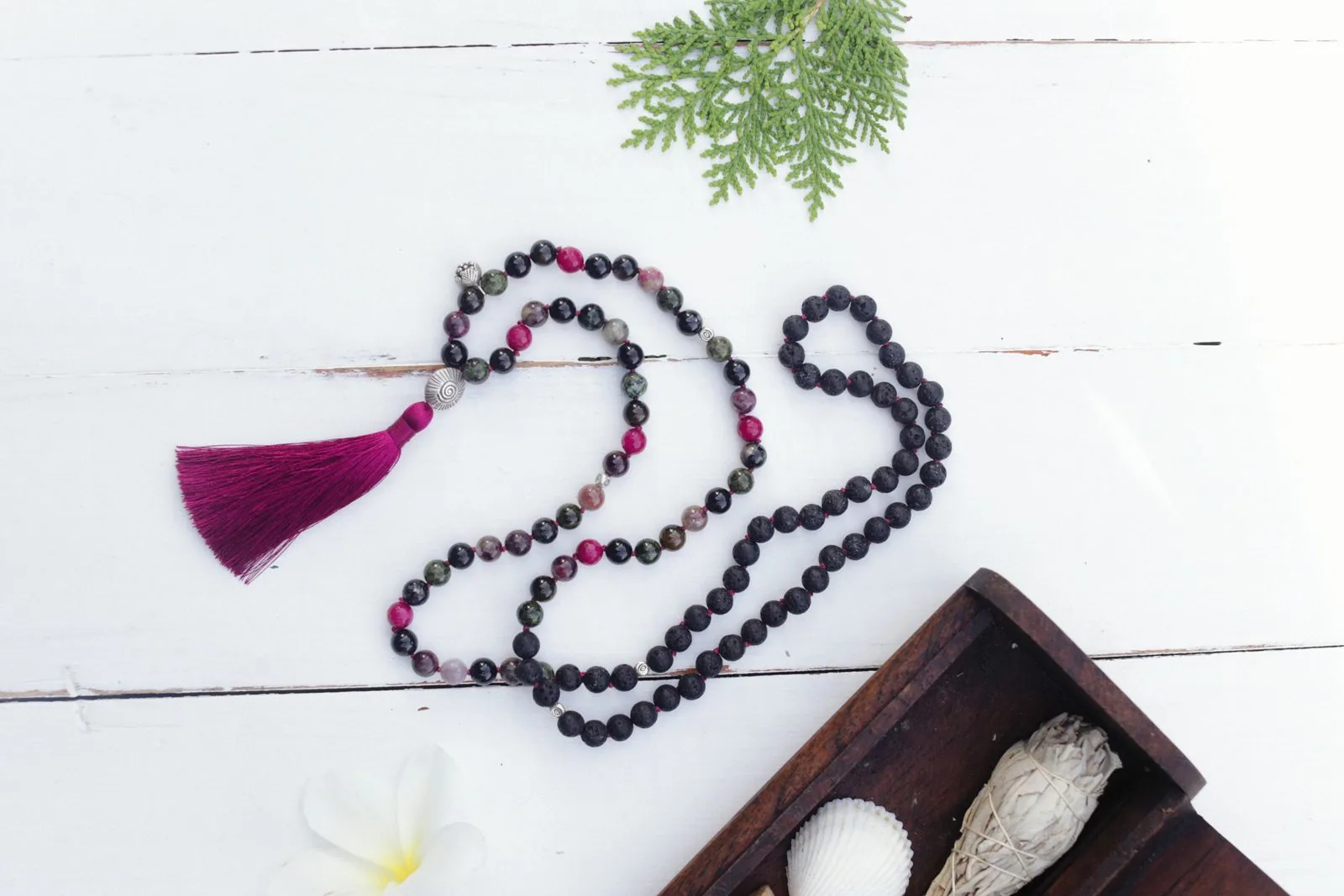
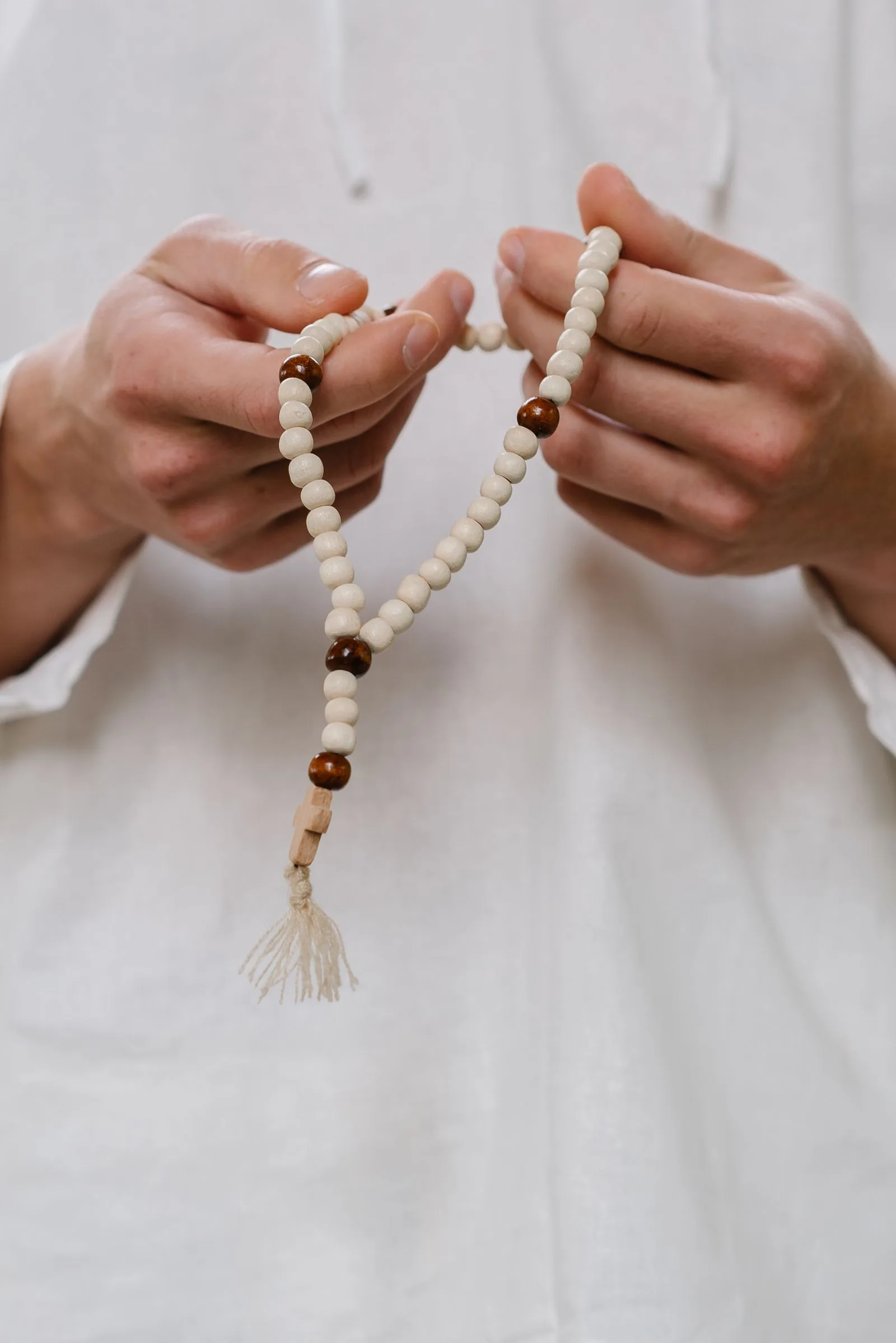
A traditional mala has 108 beads plus a guru bead for counting mantras. Choose the material for how it feels and what you want from it: sandalwood and rudraksha for grounding and daily wear, gemstones for their specific qualities. Look for knotting between beads and a sturdy tassel.
A mala is a string of beads used to count breaths or repetitions of a mantra, keeping the mind gently anchored so it can settle. Simple as that sounds, the right mala becomes a genuine companion to a practice — something you reach for daily and that darkens and softens with the oils of your hands over years. This guide covers everything worth knowing before you choose one: what to look for, why there are 108 beads, and twelve mala materials — from warm sandalwood and rudraksha to the full spread of gemstones — with what each one is for and a live Amazon link to shop it.
How we chose these: we favored genuine materials (real sandalwood, authentic rudraksha and bodhi seeds, natural gemstones rather than dyed glass), hand-knotted construction between beads, and a comfortable, traditional 108-bead count, then matched each mala to the intention or practice it best suits.
What to look for in a mala
Quality shows in the details. Look for beads that are hand-knotted with a small knot between each one — this protects the beads from rubbing, makes counting easier as your thumb catches each knot, and means the mala won't scatter if the cord ever breaks. Check that the larger guru bead and the tassel are securely attached, not just glued. Choose a bead size (usually 6–10mm) that feels comfortable to roll between your fingers — 8mm is the versatile default. And prefer natural materials, which warm to the touch and age beautifully, over plastic or dyed imitations.
Hand-knotted 108-bead mala
108 hand-knotted mala beads — the construction to prioritize whatever the material — a knot between every bead. Best for anyone who wants a mala that counts smoothly and lasts. Pro: won't scatter if the cord breaks, and the knots aid counting. Con: knotting adds a little to the price. A quality baseline more than a single product.
Why 108 beads?
The number 108 is sacred across Buddhist, Hindu and yogic traditions, appearing in everything from the number of sacred sites to the mathematics of the sun and moon. In practice, one full mala equals one round of 108 mantra repetitions, with the larger guru bead marking the start and finish so you never lose count. When you reach the guru bead you pause, silently give thanks, and — rather than cross over it — reverse direction to begin the next round. Shorter wrist malas of 27 or 54 beads are simple fractions of the same count, worn as bracelets for practice on the go.
Wood and seed malas
The traditional malas are made from wood and seeds — warm, light, grounding and perfect for daily use. These are the ones we recommend most beginners start with.
Sandalwood mala
108 sandalwood mala beads — warm, lightly fragrant and deeply grounding, sandalwood is the classic starter mala. Best for daily practice and anyone drawn to a calming scent. Pro: the natural fragrance deepens with warmth and time; ages to a rich patina. Con: genuine sandalwood is increasingly rare, so cheap "sandalwood" is often scented substitute wood. Around $15–$40.
Rudraksha mala
rudraksha mala beads necklace — traditional, textured seeds said to bring calm and clarity, worn for centuries by yogis and sadhus. Best for grounding practice and durable everyday wear. Pro: extremely hard-wearing and traditionally auspicious. Con: the ridged surface feels rougher than smooth beads. About $15–$35.
Bodhi seed mala
bodhi seed mala 108 — the classic Buddhist mala, made from seeds of the tree the Buddha is said to have sat beneath. Best for Buddhist practice and mantra work. Pro: light, symbolic and develops a beautiful honeyed patina over years of handling. Con: paler when new and takes time to darken. Roughly $18–$45.
Lotus seed mala
lotus seed mala beads — pale, hard seeds symbolizing purity rising from muddy water. Best for a lightweight everyday mala with meaning. Pro: very light and comfortable, with strong symbolism. Con: smooth surface can be slippery to count at first. Around $15–$35.
Gemstone malas by intention
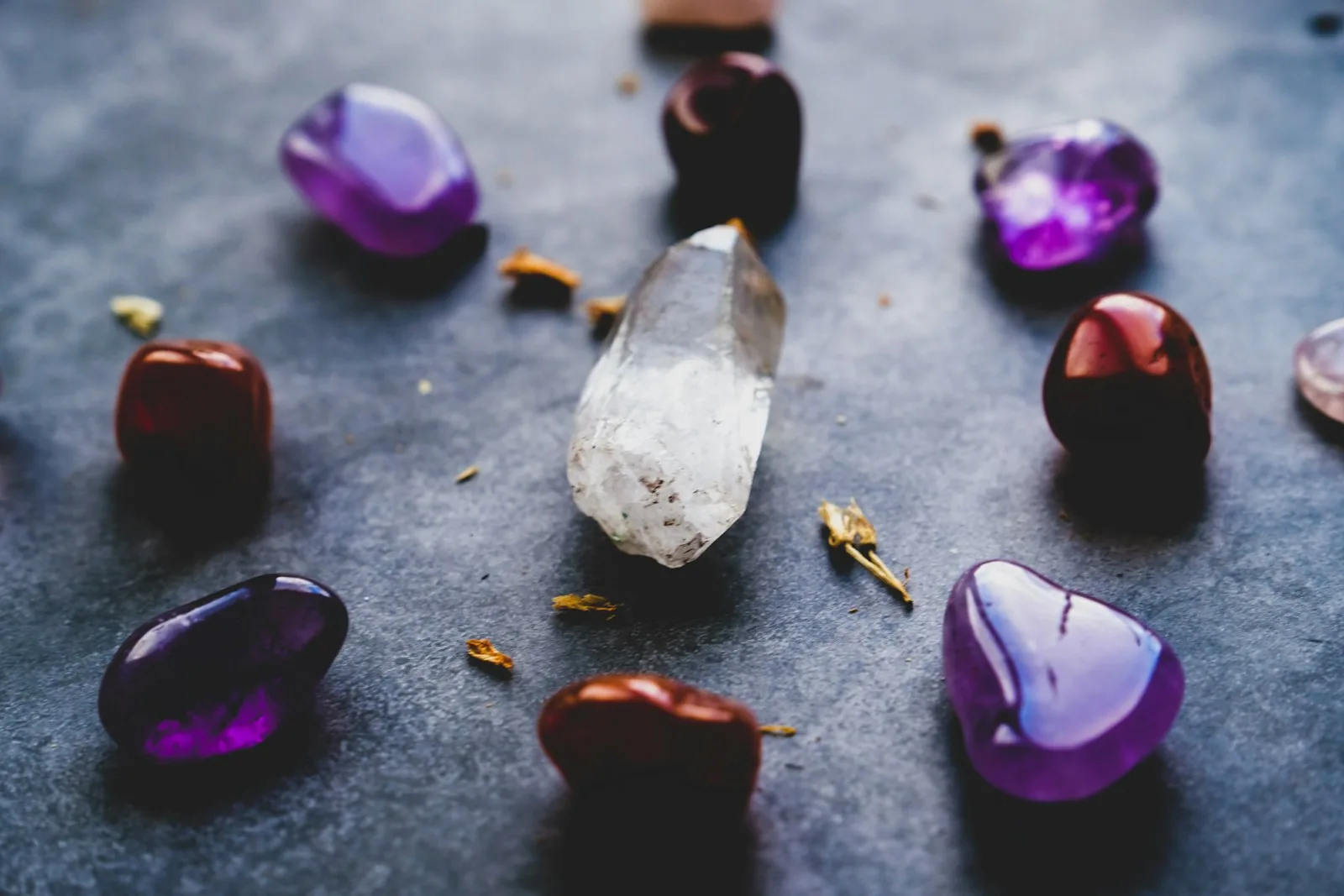
Gemstone malas add a specific quality to your practice — a reminder of an intention that passes under your thumb with every bead. Choose the stone whose meaning resonates with what you most want more of. (Our gemstone meaning guide goes deeper on each.)
Amethyst mala
amethyst gemstone mala 108 — a soft purple quartz traditionally linked to calm, intuition and better sleep. Best for an anxious or restless mind. Pro: the most popular calming stone, gently beautiful. Con: deep-color amethyst costs more; very cheap versions are often dyed. Around $20–$50.
Rose quartz mala
rose quartz mala beads — gentle pink quartz associated with love, compassion and the heart. Best for self-compassion and heart-centered practice. Pro: soothing color and energy, kind for grief or burnout. Con: softer stone that can scratch. Roughly $18–$45.
Tiger's eye mala
tiger eye mala beads — banded golden-brown stone tied to confidence, courage and steady focus. Best when you want grounding with a bit of drive. Pro: warm, striking chatoyant sheen and hard-wearing. Con: the bold look isn't for everyone. About $18–$45.
Black onyx mala
black onyx mala beads — dense black stone for grounding, protection and focus. Best for concentration and settling a scattered mind. Pro: smooth, weighty and endlessly versatile to wear. Con: can be confused with dyed black agate or glass — check the seller. Around $18–$45.
Lava stone mala
lava stone mala bracelet — porous volcanic rock prized for stability and strength. Best for grounding and doubling as an aromatherapy diffuser. Pro: the porous beads hold a drop of essential oil so your scent travels with you. Con: matte and light rather than luminous. About $12–$30.
Turquoise mala
turquoise mala beads 108 — sky-blue stone associated with protection, communication and healing, revered in Tibetan tradition. Best for a meaningful, striking mala. Pro: gorgeous color with deep Himalayan roots. Con: real turquoise is pricey; much on the market is stabilized or imitation. Roughly $25–$70.
Sizing: wrist or neck, 6mm or 10mm
A full 108-bead mala hangs like a long necklace and is the traditional format for seated mantra practice; you can also wrap it two or three times around the wrist between sessions. A 27- or 54-bead wrist mala is a bracelet you can count on discreetly anywhere. For bead size, 6mm makes a lighter, more delicate strand, 8mm is the comfortable all-round choice, and 10mm beads are chunkier and easier to count but heavier to wear. If in doubt, start with an 8mm, 108-bead knotted mala.
How to spot a genuine mala
The mala market is full of dyed glass and reconstituted stone sold as the real thing, so a few checks pay off. Gemstone beads should feel cool to the touch, warming slowly in the hand, and carry small natural variations in color, veining and clarity — perfectly uniform, brightly saturated beads are almost always dyed or synthetic. Real sandalwood has a soft, warm fragrance that intensifies with heat from your hands; scentless "sandalwood" is usually a substitute wood. Genuine rudraksha and bodhi seeds show natural surface texture and tiny irregularities, never a molded seam.
On construction, look for hand-knotting between beads and a securely attached guru bead and tassel — glued joints and a bare cord between beads are signs of a cheaper make. None of this means you must spend a lot; a genuine $20 sandalwood or rudraksha mala beats a $60 dyed-glass one every time. It just means reading the listing, checking the photos, and buying from a seller who describes the material honestly.
Are mala beads a good gift?
They make one of the loveliest small gifts precisely because they're personal without being expensive. For someone new to meditation, a warm sandalwood or rudraksha strand is welcoming and hard to get wrong. For someone going through a hard season, choose a stone whose meaning fits — amethyst for calm, rose quartz for self-compassion, black onyx for grounding — and say why you chose it; that intention is the real gift. For a yoga or wellness enthusiast, a quality gemstone mala or a lava-stone diffuser mala they can scent with essential oil is a thoughtful upgrade on what they own.
Pair a mala with a short note on how to use it (our how-to guide covers it in a minute), and it becomes a gift that gets used daily rather than tucked in a drawer.
How to care for your mala
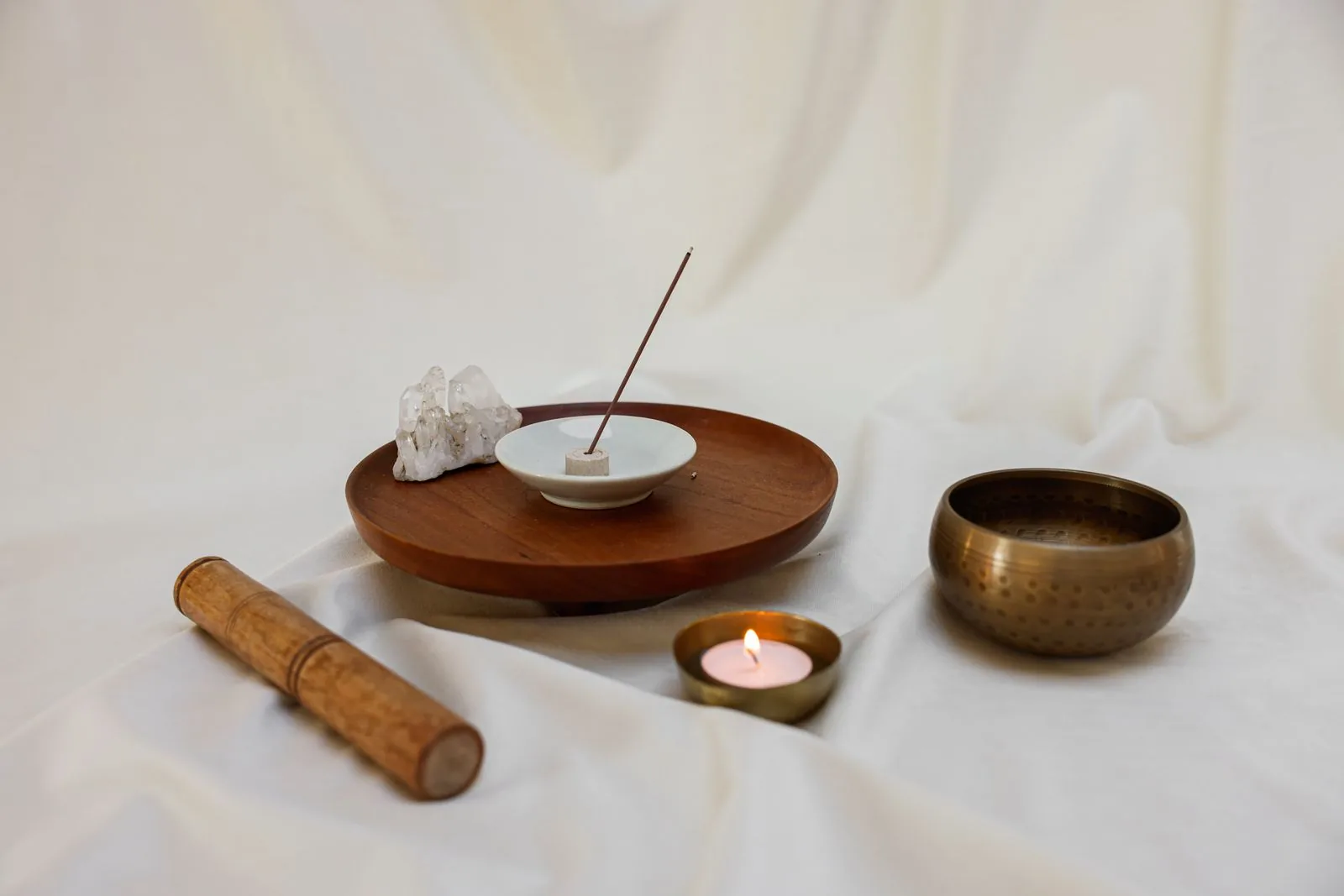
Treat a mala as the small ritual object it is. Keep it somewhere consistent — a dish, a hook, or worn — so it stays part of your day. Remove it before showering, swimming and sleeping, since water and soap degrade cord, wood and softer stones. Wipe gemstone beads with a dry or barely damp cloth; let wood and seed malas darken naturally with the oils of your hands rather than cleaning them hard. If the cord frays, restring it rather than binning the beads. Ready to use it? Learn the technique in our guide to how to use mala beads, choose a stone with intention via the gemstone meaning guide, and build the wider space with a singing bowl, some incense and a meditation cushion.