The Best Jute Rugs for a Natural, Textured Base
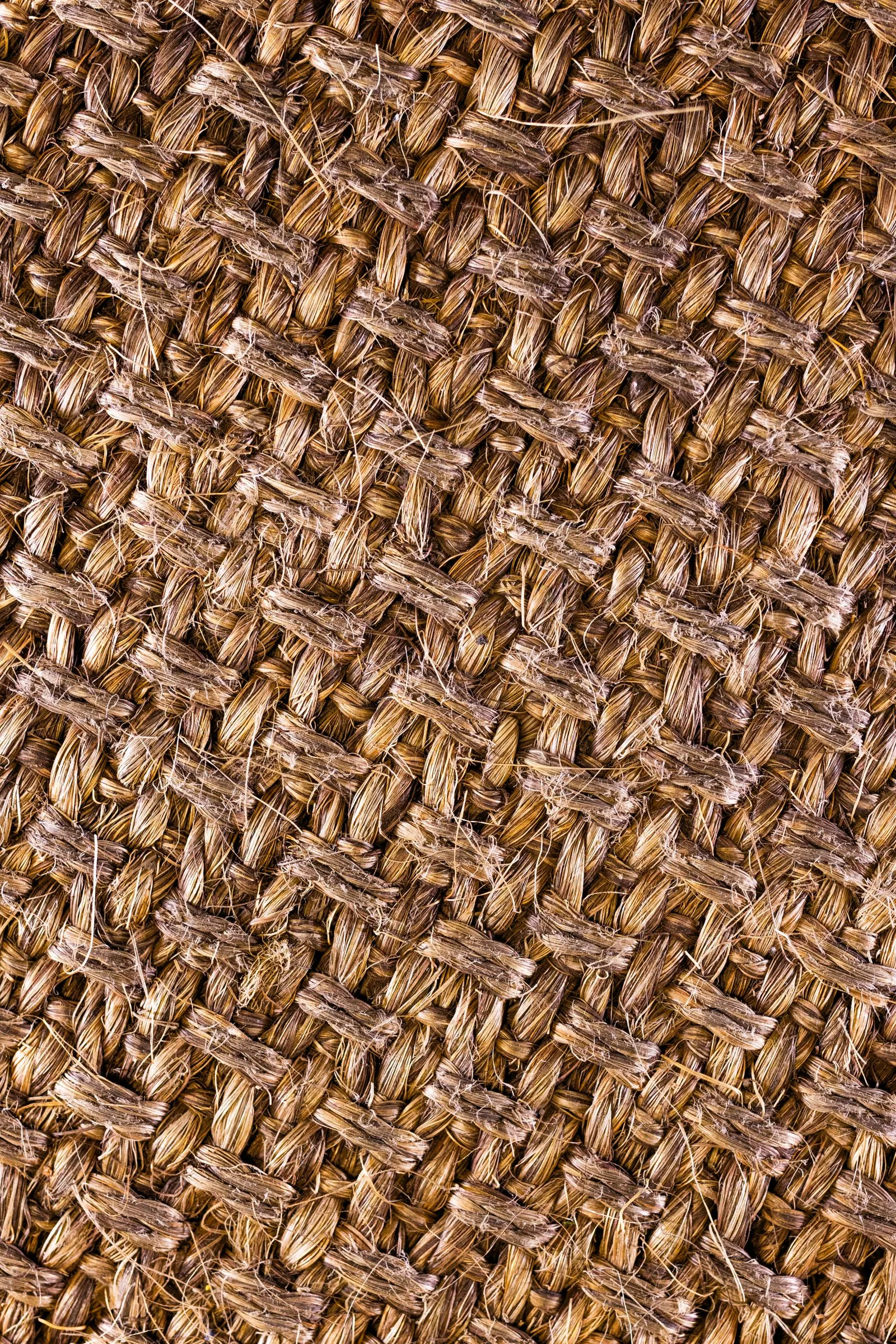
Jute is the softest of the natural plant fibers and the ideal neutral base for layering. Choose a boucle or hand-woven jute for softness underfoot, or a jute-and-wool blend for extra durability. Keep jute out of damp, high-spill rooms.
Jute is the friendliest of the natural-fiber rugs. Softer than sisal or seagrass, warm in tone and endlessly easy to style, it is the neutral foundation that makes everything layered on top look better — and it's usually the most affordable rug in the room. The trick is choosing the right weave for how soft you want it, and knowing which rooms suit jute and which will ruin it. Below are ten jute rugs worth buying, from pure hand-woven naturals to softer wool blends, plus a buyer's guide to weave and placement.
How we picked: we compared jute across weaves — boucle, braided, flatweave and blends — and judged each on softness underfoot, shedding, durability and how well it layers, flagging the pure naturals for texture and the blends for comfort and wear.
The best all-round jute rugs

A hand-woven jute rug brings instant organic texture. Boucle loop weaves are the softest; chunky braids add a more rustic, substantial look.
Hand-woven jute rug
hand-woven jute area rug — the versatile natural base that goes with anything. Best as a foundation rug in a living room or under a dining table on a budget. Pro: honest texture, warm tone and a low price. Con: flat plain-weave jute is the coarsest and sheds a little at first. Around $80–$250.
Boucle jute rug, 8x10
boucle jute rug 8x10 — a looped boucle weave that is noticeably kinder on bare feet than plain jute. Best for a living room or bedroom where softness matters. Pro: softer and more textured than flat jute. Con: loops can snag, so trim rather than pull. Roughly $120–$350.
Chunky braided jute rug
chunky braided jute rug — thick, ropey braids with real presence and weight. Best for farmhouse, coastal and rustic rooms. Pro: substantial texture and hard-wearing. Con: the coarse braid isn't for barefoot lounging. About $100–$300.
Round jute rug, 6ft
round jute rug 6ft — a circular hand-woven jute for entryways, under a round table or breaking up a boxy room. Best as a layering and accent piece. Pro: softens hard corners and layers beautifully. Con: round rugs suit fewer furniture layouts. Around $70–$200.
Bleached ivory jute rug
bleached jute rug ivory — jute lightened to a pale, coastal ivory rather than the usual golden tan. Best for bright, airy and Scandinavian-leaning rooms. Pro: a lighter, cooler neutral that opens up a space. Con: pale jute shows dirt sooner. Roughly $100–$300.
Jute blends for softness and wear
Pure jute can feel coarse and sheds a little. Blending it with wool, cotton or chenille softens the hand and boosts durability without losing the natural look.
Jute-and-wool blend rug
jute and wool blend rug — the best of both fibers — jute texture with wool's softness and resilience. Best for a living room that wants natural looks and real comfort. Pro: softer, warmer and more durable than pure jute. Con: costs more than plain jute. About $200–$500.
Jute-and-cotton flatweave
jute and cotton flatweave rug — a lighter, thinner weave that's easy to move and often spot-washable. Best for bedrooms, kids' rooms and layering. Pro: lightweight, budget-friendly and low-profile. Con: thinner and less plush than blends with wool. Around $80–$250.
Jute-and-chenille rug
jute and chenille rug — jute woven with soft chenille cotton for a plusher, cushioned feel. Best where you want natural texture but softer underfoot. Pro: markedly softer than pure jute. Con: the chenille shows wear in high traffic. Roughly $150–$400.
Cotton rug with jute border
jute border cotton rug — a flatwoven cotton field framed by a natural jute border. Best for a clean, casual room that wants a hint of natural texture. Pro: softer main surface, easy to clean. Con: less of the full jute character. About $90–$260.
Jute hallway runner
jute runner rug hallway — a long jute weave to warm up a hallway or kitchen galley cheaply. Best for adding natural texture to transitional spaces. Pro: inexpensive and full of texture. Con: keep it out of wet entry zones and use a pad. Around $50–$140 by length.
How to choose a jute rug: weave and softness
Jute's feel comes down to the weave. Boucle and blends (jute-and-wool, jute-and-chenille) are softest and best for barefoot rooms; braided and flat plain weaves are coarser but tough and full of texture. If softness is the priority, buy a blend; if texture and budget lead, buy pure. A rug pad underneath cuts both shedding and slipping and is worth it on every jute rug.
Jute vs sisal vs seagrass
Jute is one of several natural-fiber rugs, and they're easy to muddle. Jute is the softest and warmest in tone, made from a plant stalk fiber, which is why it's the friendliest underfoot and the best for bedrooms and layering — but it's also the least tough and the worst with moisture. Sisal is a harder agave fiber: extremely durable and great for high-traffic areas and stairs, but scratchy on bare feet and prone to water stains. Seagrass is smooth, almost non-porous and more moisture-tolerant, with a subtle green-tan tint that doesn't take dye well.
The short version: choose jute for softness and layering, sisal for durability where comfort matters less, and seagrass where you want a wipeable, hard-wearing natural in a slightly damp-prone spot. If you love the jute look but need more resilience, a jute-and-wool blend splits the difference nicely.
How to style a jute rug
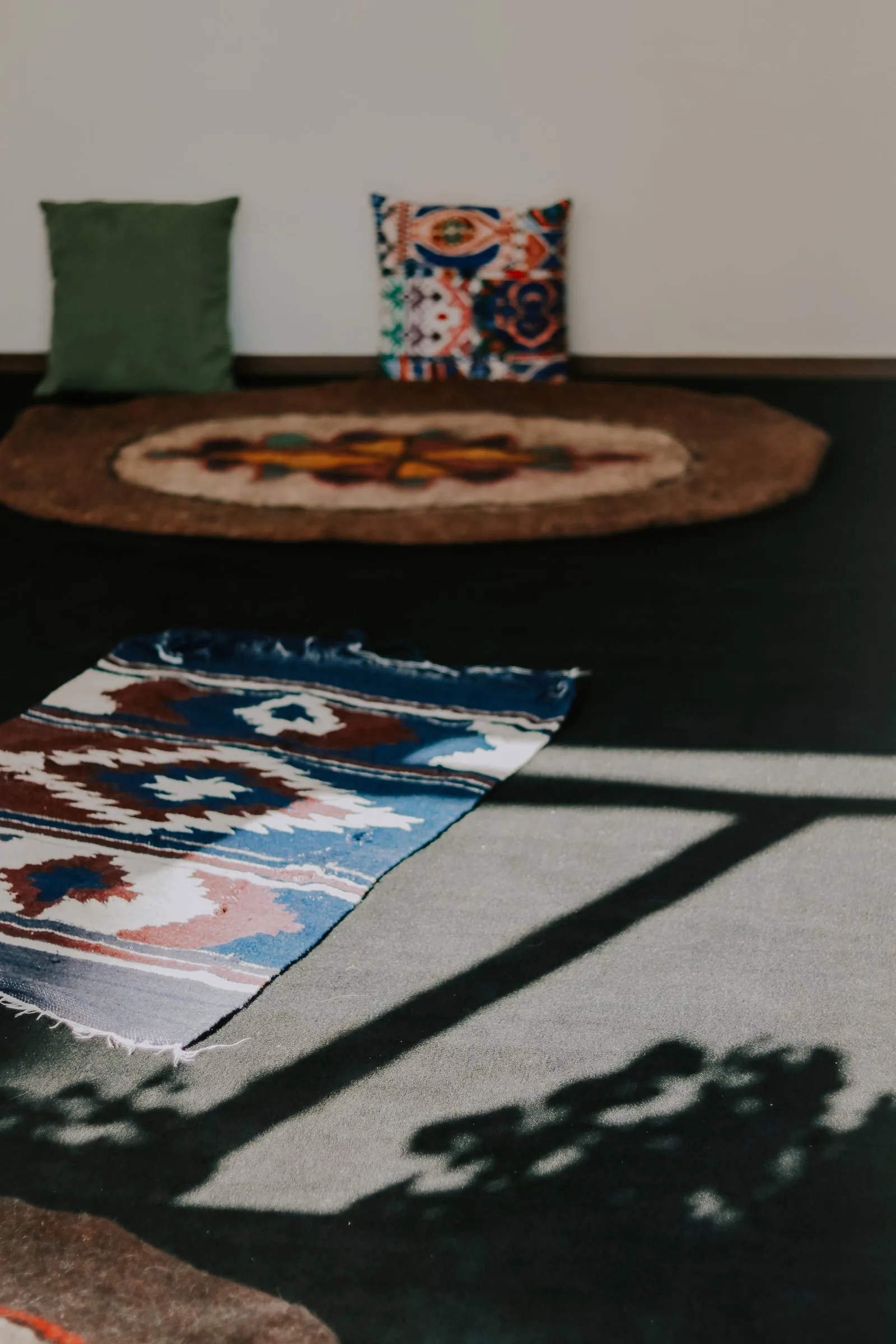
Jute's greatest trick is as a layering base. Put a large neutral jute rug down first, then float a smaller patterned rug — a boho kilim, a vintage wash, a Moroccan diamond — on top, keeping a shared color between them so it reads deliberate. The texture contrast between rough jute and a softer top rug is exactly the lived-in look designers charge for. On its own, a round jute rug softens a boxy entryway, and a big jute rug grounds a coastal or farmhouse living room beautifully.
Whatever you layer, add a rug pad underneath the jute: it grips the floor, cuts shedding, and stops the two rugs sliding against each other. Then finish with natural textures elsewhere in the room — a macrame hanging, a woven pouf, a few plants — to echo the organic feel.
Where jute works — and where it doesn't
Jute is ideal for living rooms, bedrooms and, above all, as a large neutral base to layer a patterned rug on top of. What it can't handle is moisture: keep it well away from bathrooms, kitchens sinks, laundry rooms and covered patios, because jute absorbs water and can stain, warp or grow mildew. Blot spills immediately and spot-clean with minimal water rather than soaking the fibers. Pair a jute base with a colorful boho rug on top for the classic layered look, choose the right footprint with our rug size guide, and for soft everyday alternatives see the wool rug guide.