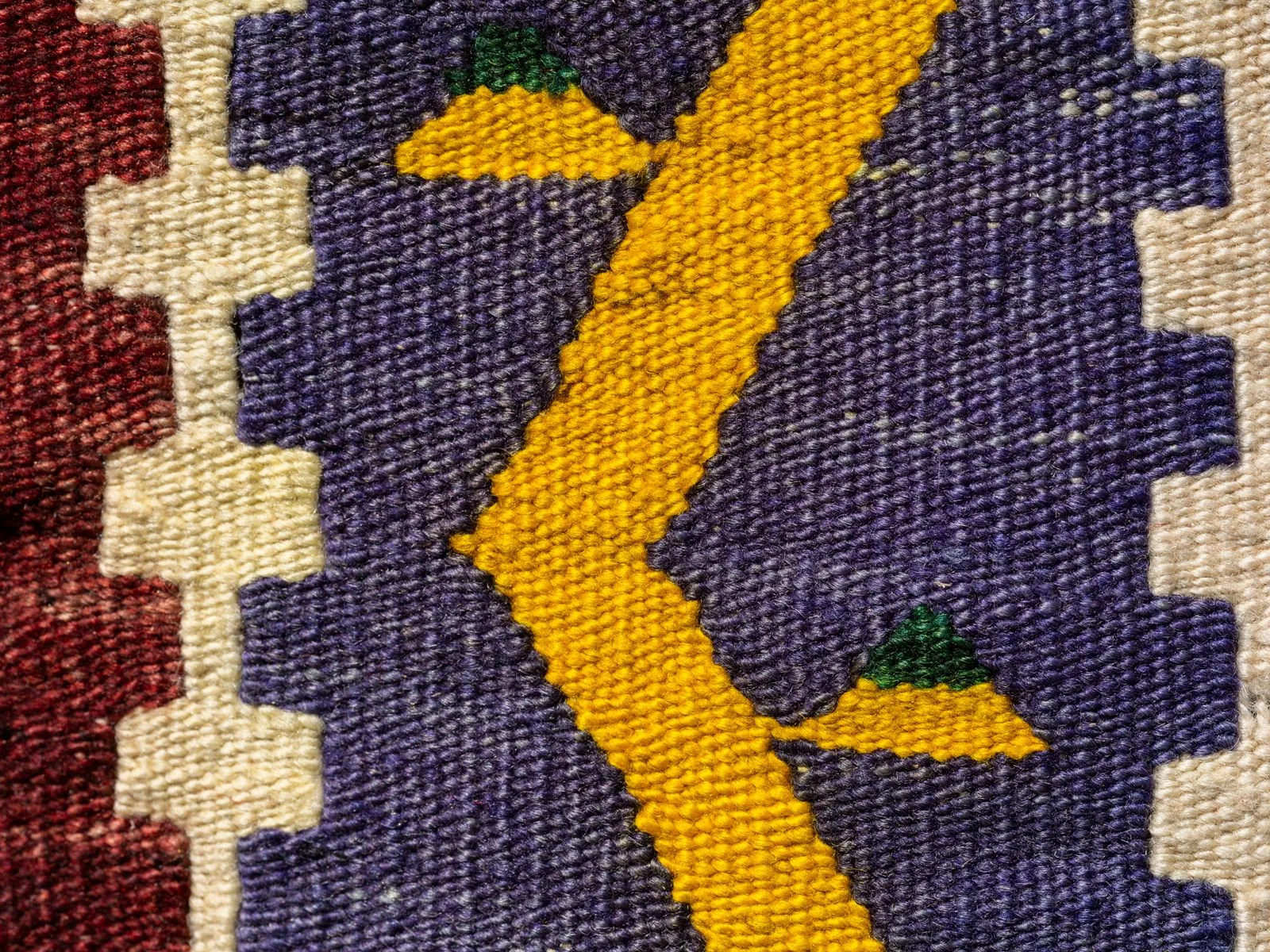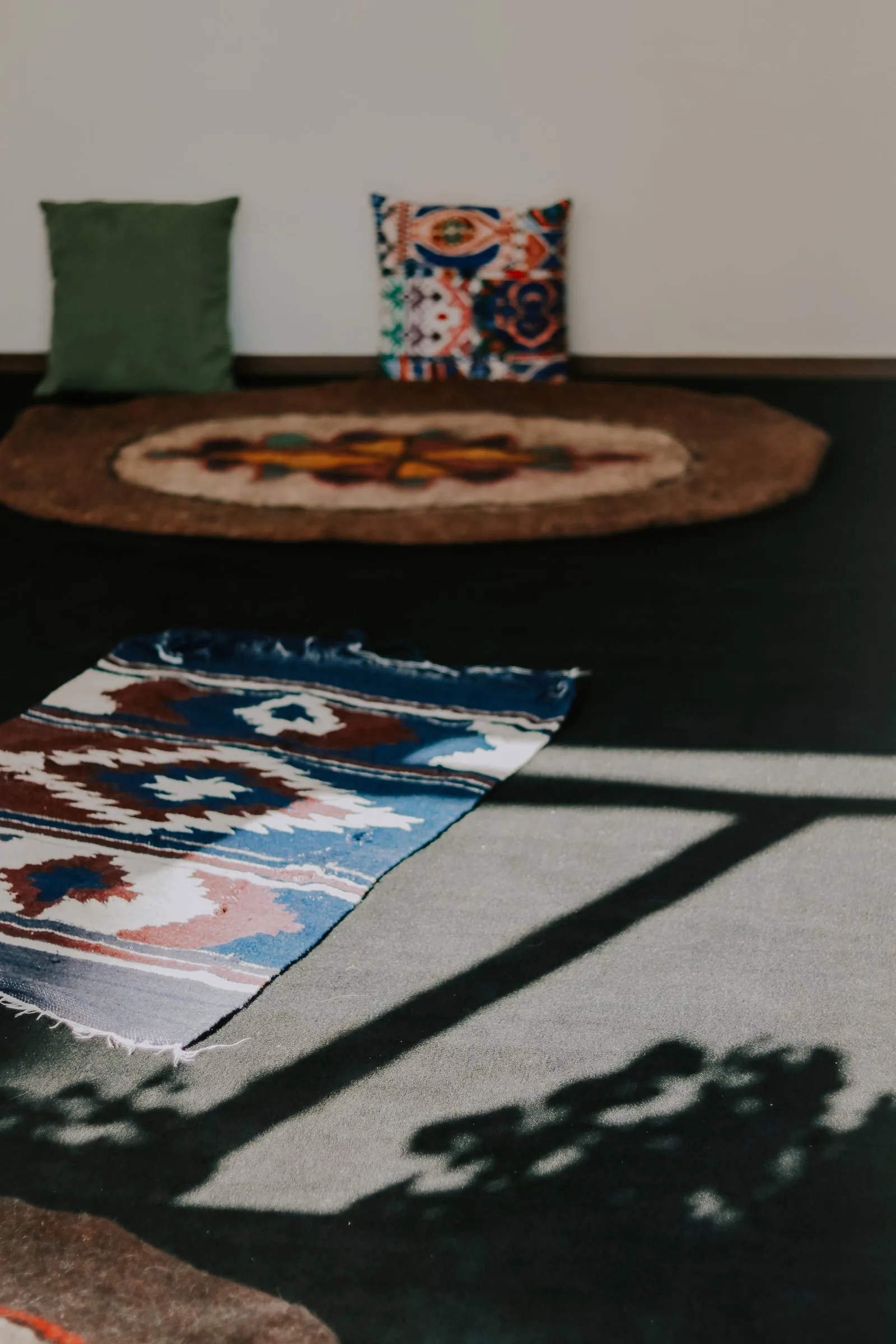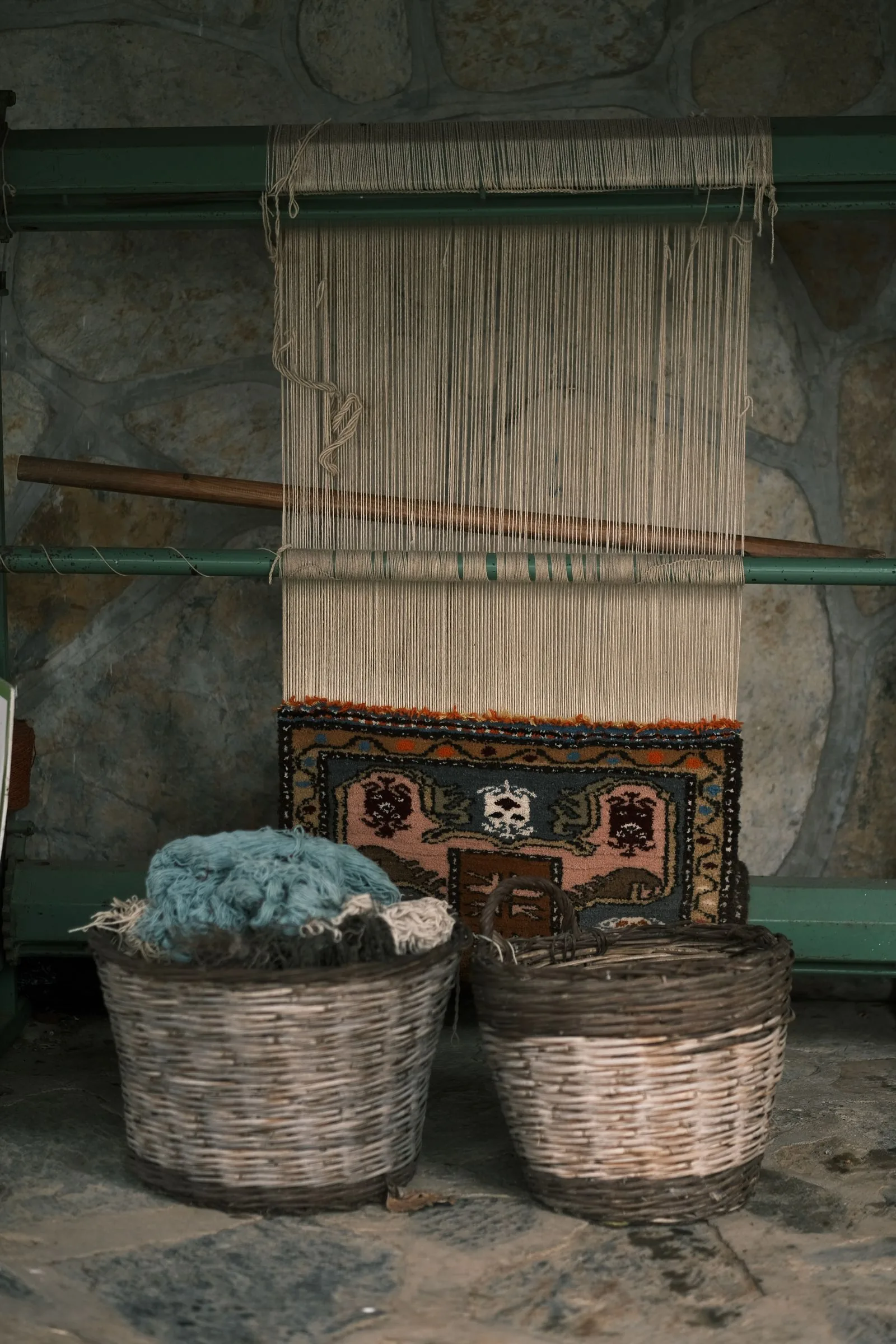
The Best Tibetan Rugs for a Warm, Grounded Home
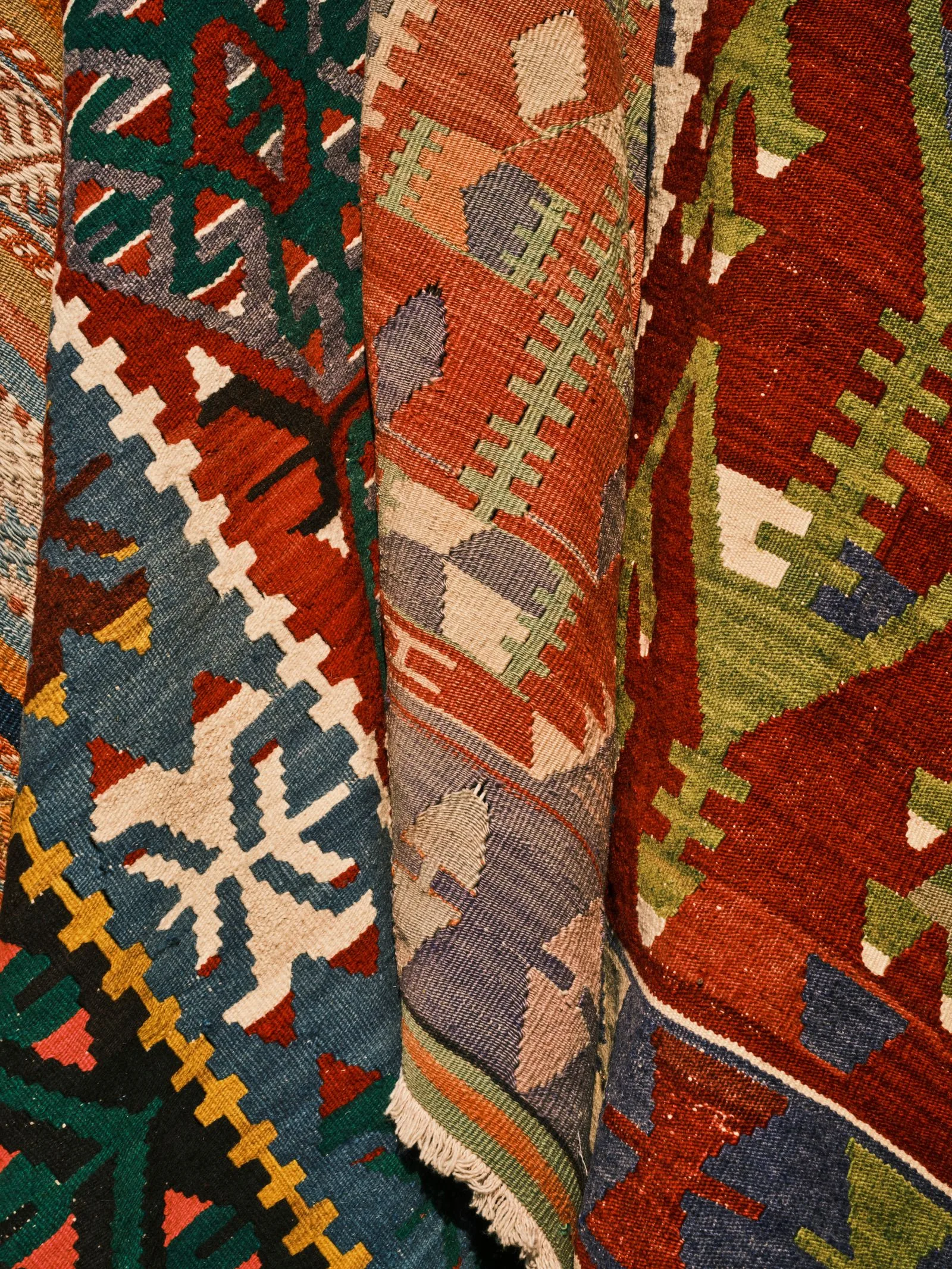
A true Tibetan rug is hand-knotted from Himalayan highland wool using the distinctive Tibetan knot. For most US homes a wool Tibetan-style rug delivers the look and durability at a fair price — look for high knot density, natural dyes, and a GoodWeave label when you can.
Few rugs feel as good underfoot as a Tibetan one. Woven from the long, lanolin-rich wool of Himalayan highland sheep and tied with the springy Tibetan knot, they are built to be walked on for a generation. This is a heritage close to our own — Karma Carpets began as a GoodWeave-licensed Tibetan carpet house — so we know exactly what separates a rug that lasts fifty years from one that mats down in five. Below are the twelve Tibetan and Tibetan-style rugs we would actually put in a home today, from genuine hand-knotted heirlooms to honest wool lookalikes that fit a normal budget.
How we picked: we favored real Himalayan or New Zealand highland wool over blends, gave weight to hand-knotted and hand-tufted construction, checked for natural or low-impact dyes and a GoodWeave label where sellers offer one, and balanced authenticity against what these rugs actually cost. Every pick below links to a live Amazon search so you can compare current sizes and prices.
Heritage hand-knotted Tibetan rugs
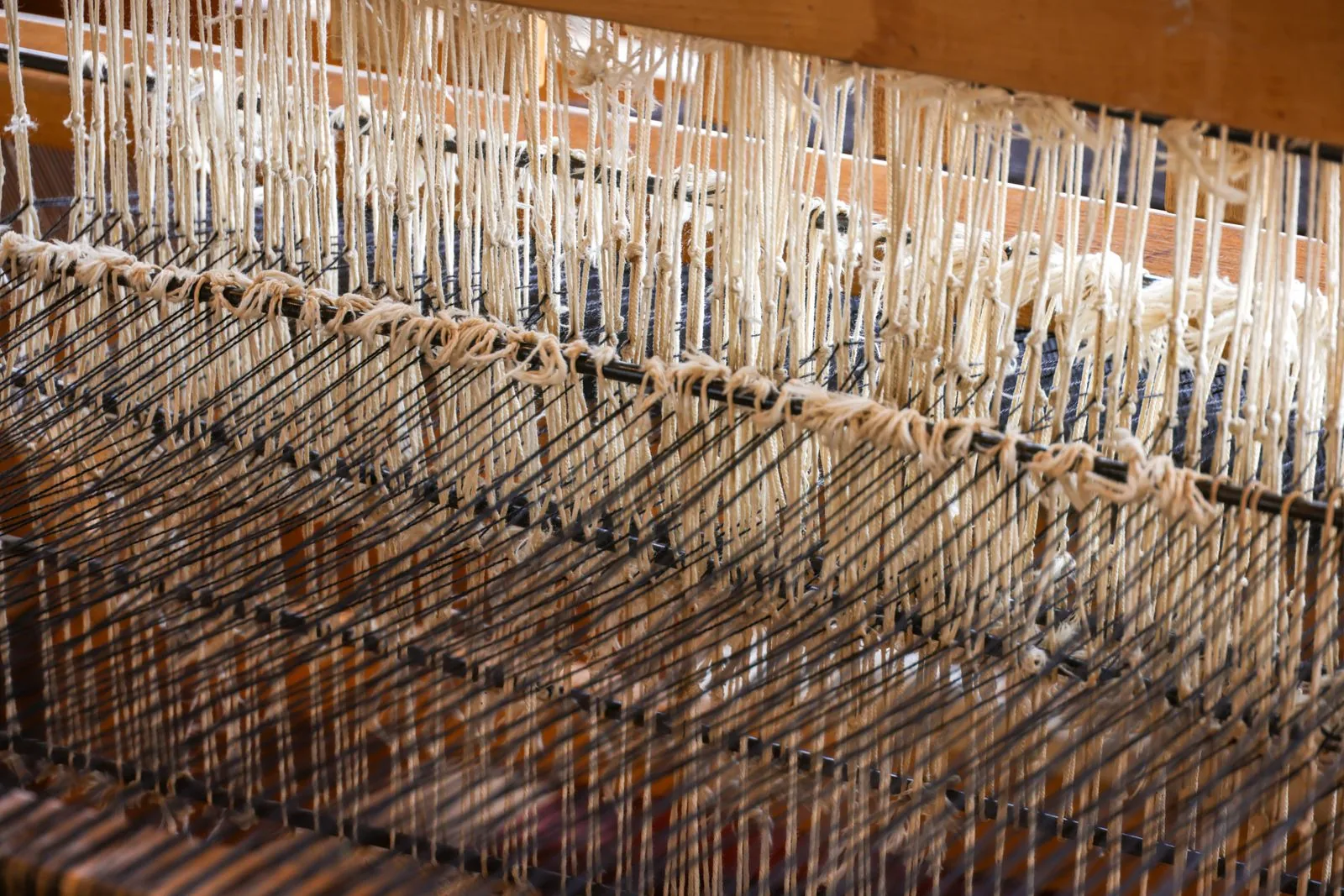
The classic Tibetan rug is knotted by hand, one row at a time, and it shows in the depth of pile and the way the color shifts as you cross the room. If you want the genuine article — the rug you buy once and pass on — this is where to spend.
Hand-knotted Tibetan wool rug
hand-knotted Tibetan wool rug — the authentic piece, tied by hand from long-staple Himalayan wool with the springy Tibetan knot. Best for a living room or dining room you use daily and want to keep for decades; a dense pile and 100-plus knots per square inch mean it wears in rather than out. Pro: lowest true cost-per-year of any rug here and it can hold value. Con: the real thing is a genuine investment. Expect roughly $900–$3,000 for an 8x10 depending on knot density.
Tibetan tiger rug (wool)
Tibetan tiger rug wool — the iconic striped meditation-mat motif, once woven for monastic practice and now a design collectible. Best as a statement piece in an entryway, study or above a bench, usually in scatter to accent sizes (about 3x5). Pro: instant character and a real conversation piece. Con: the bold graphic is harder to build a whole room around. Typically $200–$700 depending on size and whether it is hand-knotted or tufted.
Nepalese wool-and-silk rug
Nepalese Tibetan wool and silk rug — hand-knotted in Nepal from Tibetan wool with silk highlights that catch the light and lift the pattern. Best for a formal living room or bedroom where you want subtle luxury and sheen. Pro: the silk gives fine detail and a soft luster wool alone can't. Con: silk areas show footprints and need gentler care. Roughly $700–$2,500 for a mid-size rug.
Natural undyed wool rug
natural undyed wool Tibetan rug — woven from wool in its own ivory, oatmeal and charcoal tones with no dye at all. Best for a calm, neutral or Japandi-leaning room and for anyone wary of dye bleed. Pro: endlessly easy to decorate around and completely colorfast. Con: pale undyed wool shows spills more readily. Around $500–$1,500 for an 8x10.
Tibetan-style wool rugs on a real budget
You do not need thousands to get the look and the feel. Machine-loomed and hand-tufted Tibetan-style rugs in pure wool give you the palette, the plush hand and much of the durability at a fraction of the price of hand-knotting.
Tibetan-style wool rug, 8x10
Tibetan style wool area rug 8x10 — the do-everything living-room rug in classic Himalayan tones — maroon, saffron, indigo and cream. Best as a first proper wool rug for a family room. Pro: the everyday size, a plush hand and a friendly price. Con: machine-loomed, so it won't outlive a hand-knotted piece. Usually $250–$600.
Wool Moroccan trellis rug
wool moroccan trellis rug — a geometric diamond-lattice pattern that reads Himalayan and cleverly disguises everyday wear and crumbs. Best for high-traffic living and dining rooms. Pro: the busy pattern hides dirt between vacuums. Con: less traditionally Tibetan in motif. Around $150–$450 for a large size.
Hand-tufted wool rug, cream
hand-tufted wool area rug cream — punched by hand into a backing for a thick, soft pile at a mid-tier price — a great neutral base for layering textiles on top. Best for bedrooms and reading nooks. Pro: plush underfoot and affordable. Con: the glued canvas backing means a shorter life than knotted rugs and some early shedding. Typically $200–$500.
Tibetan lattice wool rug
Tibetan lattice wool rug — an open geometric lattice in two or three colors, a modern take on the tradition that suits contemporary rooms. Best where you want Himalayan wool without a busy traditional medallion. Pro: versatile pattern that plays well with modern furniture. Con: lighter grounds show wear paths over time. About $200–$550.

Himalayan wool runner
Himalayan wool runner rug — a long, narrow wool weave for hallways, kitchens and the side of a bed, in the same warm palette. Best for tying a rug scheme through a home. Pro: hard-wearing wool exactly where floors take the most traffic. Con: runners need a pad to stop creeping on hard floors. Roughly $80–$220 depending on length.
Tibetan medallion rug
Tibetan medallion area rug — a central-medallion design echoing traditional temple carpets, framed by a patterned border. Best for a formal living or dining room that wants a focal anchor. Pro: a classic, grounding layout that centers a seating group. Con: the strong center wants furniture arranged around it. Around $250–$800.
GoodWeave-certified wool rug
GoodWeave certified wool rug — any wool rug carrying the GoodWeave label, which independently certifies it was made without child labor. Best for buyers who want the craft and a clear conscience. Pro: ethical sourcing you can actually verify. Con: the certified range is smaller, so choice is narrower. Prices track the rug type, generally $300 and up.
How to choose a Tibetan rug
Start with construction. Hand-knotted is the gold standard and the longest-lasting; hand-tufted is softer and cheaper but has a glued backing and a shorter life; machine-loomed Tibetan-style rugs are the value option and fine for most rooms. Then check the fiber — you want real wool, which feels slightly greasy with lanolin and springs back when you press it, never a plasticky polypropylene. Fold the rug back and look at the knots: tighter, more numerous knots mean a finer, longer-lasting rug (100 KPSI is a solid everyday rug). Finally, look for natural or low-impact dyes and, where you can, a GoodWeave label. Get the size right first with our area rug size guide.
Sizing and placing a Tibetan rug
Tibetan rugs come in the usual area sizes, and the placement rules are the same as any rug: in a living room, buy big enough that at least the front legs of your sofa and chairs rest on the rug, which anchors the seating and makes the room feel intentional. An 8x10 covers most living rooms; step up to 9x12 for open-plan spaces. In a bedroom, run a large rug under the lower two-thirds of the bed so you step onto wool, or flank the bed with a pair of Himalayan runners.
The bold motifs need a little more thought. A striking tiger rug or a strong central medallion wants breathing room, so let it lead in an entryway, study or under a bench rather than fighting a busy sofa. Leave a consistent 10–18 inches of bare floor around the rug so it frames the room. Our rug size guide walks through every room in detail.
Are Tibetan rugs worth the money?
It depends what you buy. A genuine hand-knotted Tibetan rug is a real investment — often $900 to $3,000 for an 8x10 — but it can last fifty years or more, so the true cost works out to a few dollars a month, less than most people spend replacing cheap synthetic rugs every few years. A fine hand-knotted rug can even hold or grow its value. If that's beyond this year's budget, a pure-wool Tibetan-style rug at $250–$600 gives you most of the look, the same warm palette and a genuinely soft, durable wool pile.
Our rule of thumb: spend on the rug in the room you use most and see every day — usually the living room — and economize with Tibetan-style wool in secondary spaces. Whatever the budget, prioritize real wool over polypropylene; it's the single thing that most determines how a rug feels and how long it lasts.
Caring for a wool Tibetan rug
Wool is forgiving but not indestructible. Vacuum regularly without a beater bar, which can pull the pile; blot spills immediately with a clean cloth rather than rubbing; and rotate the rug 180 degrees twice a year so it wears evenly and fades uniformly in sunlight. Always use a felt-and-rubber pad underneath for grip and cushioning. For deep cleaning, use a wool-safe cleaner or a professional rug service — never a home steam cleaner, which can felt and shrink the wool. For softer everyday alternatives, our best wool area rugs guide goes wider, and the jute rug guide covers natural-fiber layering bases.