The Best Meditation Cushions and Zafus
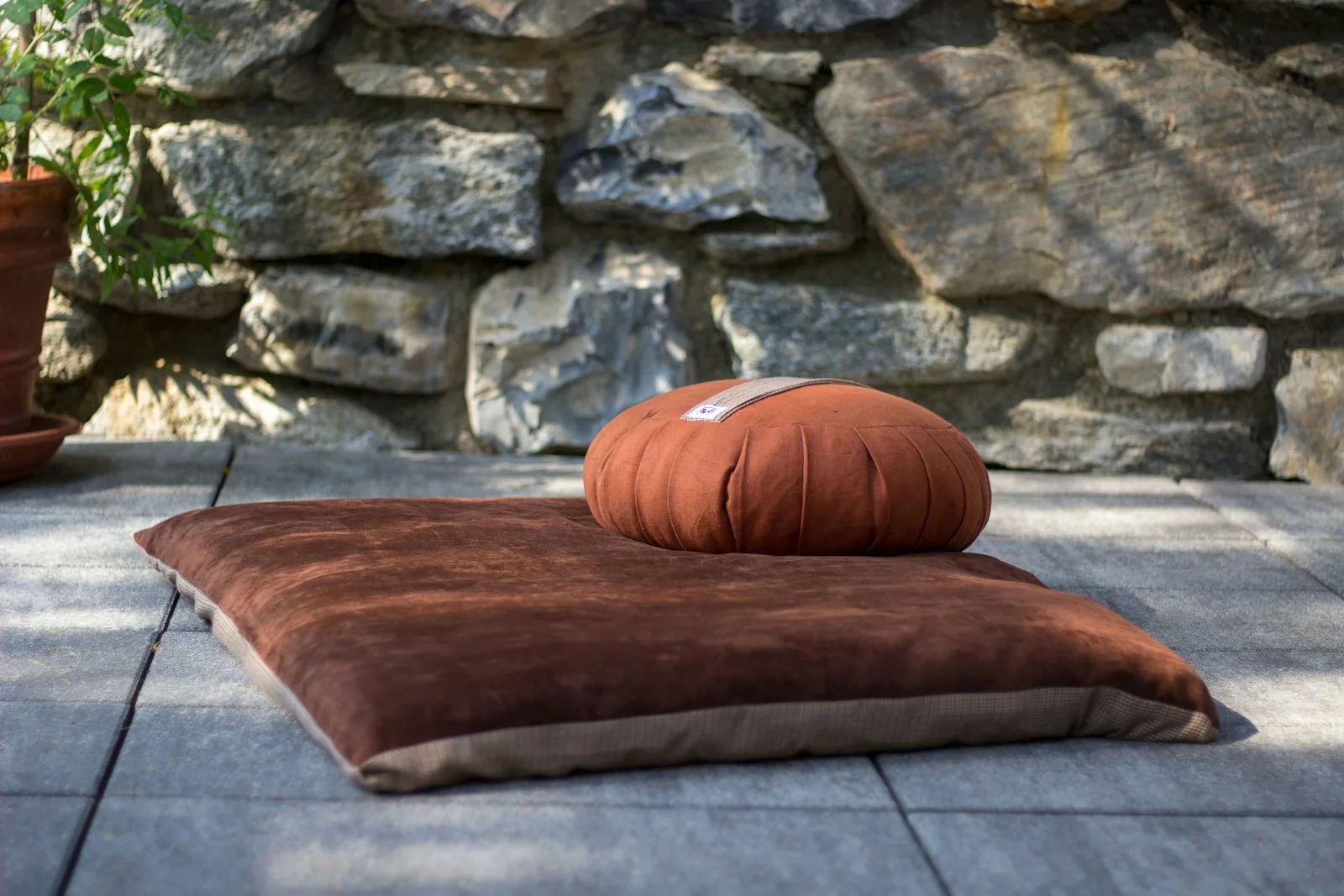
A good cushion lifts your hips above your knees so the spine stacks naturally and you can sit longer without pain. A buckwheat-filled zafu ($30–$60) is the classic; a crescent/half-moon shape suits cross-legged sitting; add a zabuton mat to cushion the ankles and knees.
The main reason people give up on meditation isn't boredom — it's a sore back and numb legs. The fix is almost always the right cushion. By lifting your hips above your knees, a good zafu lets your spine settle into its natural curve so you can sit comfortably for far longer, and suddenly the practice you couldn't stick to becomes easy to keep. Below are ten cushions, mats and benches worth buying, from the classic buckwheat zafu to kneeling benches for those who can't sit cross-legged, plus how to get the height right.
How we picked: we judged each option on the support it gives (hips clearly above knees), the fill's firmness and longevity, whether the cover is removable and washable, and who it suits — cross-legged sitters, kneelers and those who need a bit more height or a bad-knee-friendly option.
Zafus: the classic round cushion
The traditional zafu is a firm, round cushion, classically filled with buckwheat hulls that shift to support you and can be added or removed to adjust the height.
Buckwheat zafu
buckwheat zafu meditation cushion — the classic firm, round cushion filled with buckwheat hulls you can add or remove to set the height. Best all-round cushion for cross-legged sitting. Pro: supportive, adjustable and lasts for years. Con: heavier than foam and firmer than some like. Around $30–$60.
Kapok-filled zafu
kapok filled zafu — a softer, plumper alternative filled with fluffy kapok fiber. Best for those who find buckwheat too firm. Pro: cushioned and holds its rounded shape. Con: less adjustable and slowly compresses over time. About $30–$55.
Crescent (half-moon) cushion
crescent meditation cushion — a curved cushion shaped to cradle the thighs in cross-legged sitting. Best if a round zafu feels like it rolls you forward. Pro: the shape supports the legs and encourages a stable base. Con: only really suits cross-legged postures. Around $35–$65.
Zafu with carry handle
zafu cushion with carry handle — a standard buckwheat zafu with a sewn-in handle for taking to class. Best for anyone who meditates in more than one place. Pro: genuinely portable. Con: a small premium for the handle. About $35–$60.
Zabutons, sets and benches
A zabuton is the flat mat that goes under the zafu, cushioning your ankles, knees and shins against a hard floor. Buying a set is the most comfortable and cost-effective route — and kneeling benches are a great alternative if sitting cross-legged doesn't work for you.
Zafu and zabuton set
zafu and zabuton set — the cushion and the flat mat together for complete support on a hard floor. Best value and comfort for a dedicated home spot. Pro: protects ankles and knees; the most comfortable option overall. Con: takes up more space and costs more than a cushion alone. Around $70–$130.
Kneeling meditation bench
meditation bench kneeling — a small angled wooden bench you kneel behind, taking weight off the ankles entirely. Best for those who can't sit cross-legged or have tight hips. Pro: excellent for a neutral spine without crossing the legs. Con: less portable; some prefer a cushion under the shins. About $40–$80.
Foldable meditation bench
foldable meditation bench — a kneeling bench with folding legs that packs flat. Best for small homes and travel. Pro: all the benefits of a bench, easy to store. Con: hinges are a slight long-term wear point. Around $45–$85.
Full cushion set with support pillows
meditation cushion set with mat and support — a zafu, zabuton and small support pillows for knees or back. Best for beginners building a complete, comfortable setup at once. Pro: everything to sit comfortably from day one. Con: more than most people strictly need. Roughly $80–$150.
How to get the height right
This is the whole game. Sit on the cushion and check two things: your hips are clearly higher than your knees, and your knees can rest down toward the floor rather than floating in the air. If your knees float, you need more height — add buckwheat filling or choose a taller cushion. If you feel scrunched or your feet go numb fast, you have too much height; remove some fill. Tight hips? A kneeling bench sidesteps the problem entirely. A removable, washable cover is worth having on whatever you choose, since it's a cushion you'll use daily.
How to sit: posture on a cushion
The cushion does half the work, but posture does the rest. Sit toward the front edge of the zafu so your pelvis tips slightly forward and your hips lift above your knees — this is what lets the spine stack into its natural curve instead of slumping. Let both knees rest down toward the floor to make a stable tripod with your seat. Cross the legs loosely (or use a kneeling bench if your hips are tight), rest your hands on your thighs or in your lap, and let the crown of your head float upward so the neck lengthens. Shoulders soft, chin very slightly tucked.
If your feet go numb quickly, you likely need more height under your hips; add buckwheat filling or a taller cushion. If your back aches, check you're not perched too far back and collapsing the lower spine. A minute of adjusting at the start saves a sore, distracted sitting later.
Cushion, bench or chair?
You don't have to sit cross-legged to meditate well. A zafu cushion suits most people with reasonably flexible hips and is the traditional choice. A kneeling bench is the answer if crossing your legs is uncomfortable or your knees won't drop — it takes the strain off the ankles and hips while keeping a neutral spine. And a plain chair is completely legitimate: sit forward off the backrest, both feet flat on the floor, spine tall, and you get everything you need. The best position is simply the one you can hold comfortably for the length of your practice, so choose for your body, not for the picture in your head.
Building the rest of your space
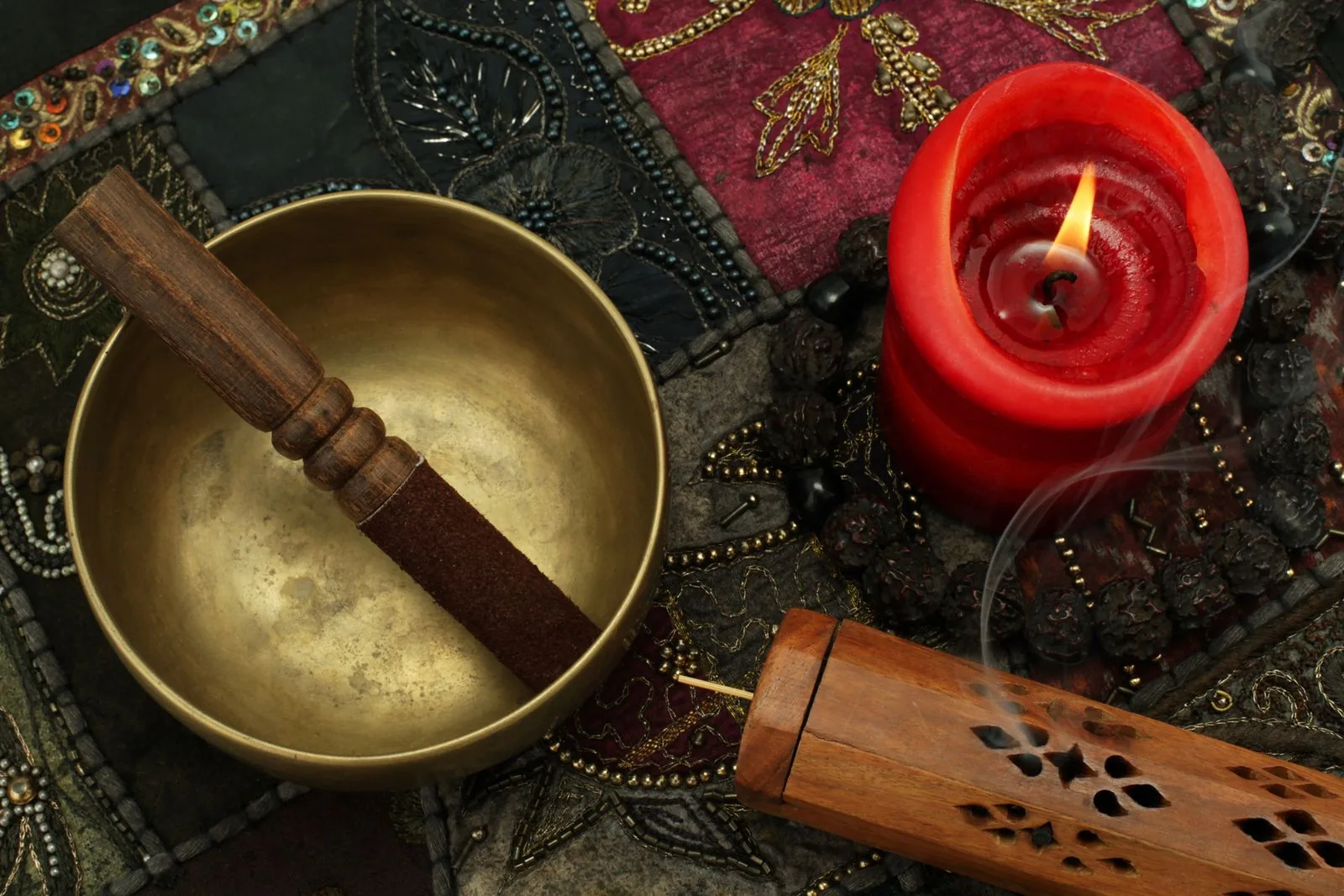
A good cushion is the foundation, but a corner you actually want to return to has a few more cues. Round out your space with a singing bowl to open and close each sitting, some incense or a candle to mark the ritual, a soft wool rug underfoot, and a strand of mala beads to anchor the practice itself.