What Are Mala Beads and How Do You Use Them?
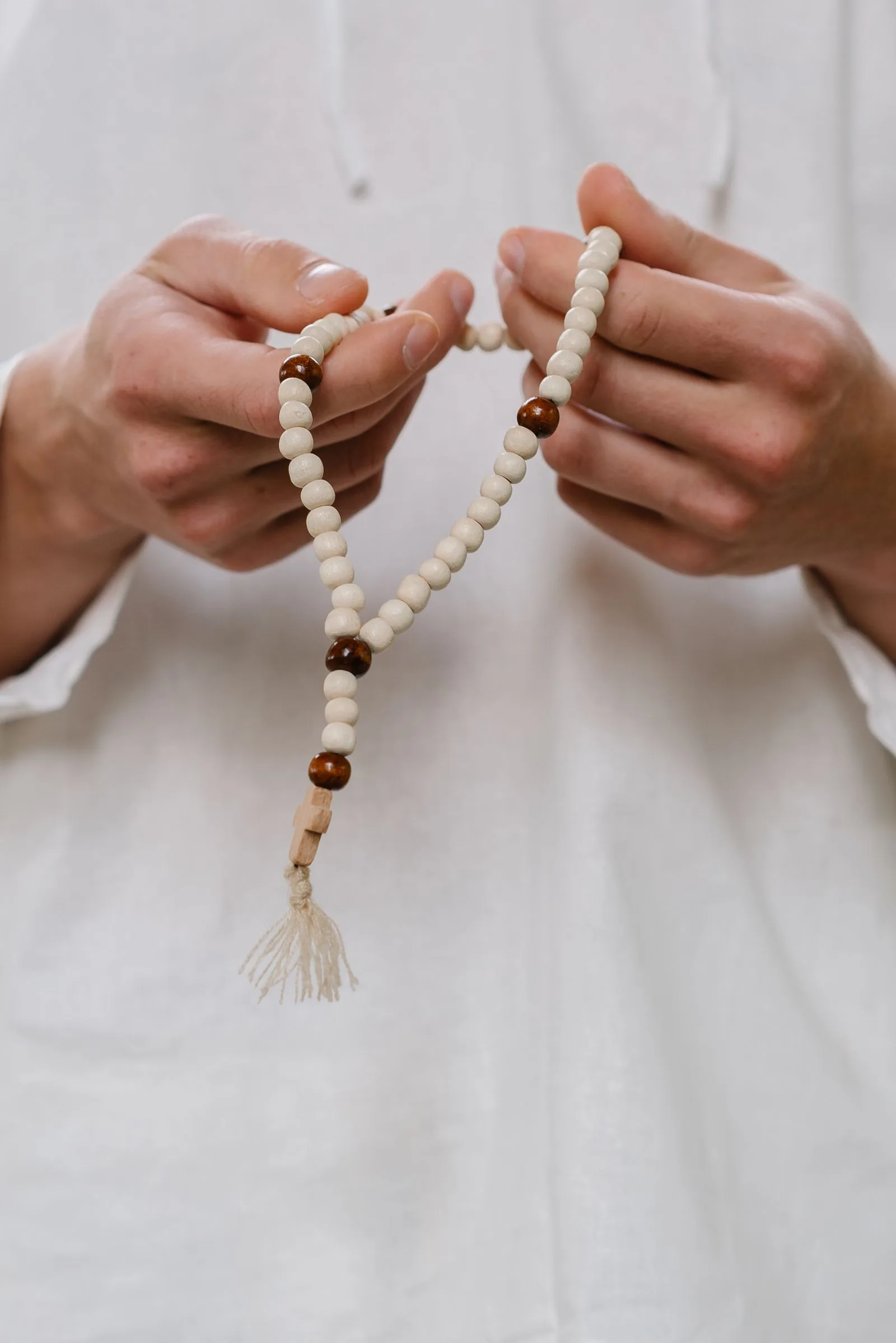
To use a mala, hold it in one hand, rest a bead on your middle finger, and with each breath or mantra draw the next bead toward you with your thumb. Work through all 108 beads to the guru bead, then reverse — never cross the guru bead.
Mala beads look mysterious but are wonderfully practical: they are a counting tool that lets your hands keep track of repetitions so your mind is free to focus. Used in meditation for thousands of years across Buddhist, Hindu and yogic traditions, they suit anyone who wants a simple, tactile anchor for the breath — no app, no timer, no screen. This guide explains what a mala is, walks you through using one step by step, and helps you choose a first strand.
What is a mala?
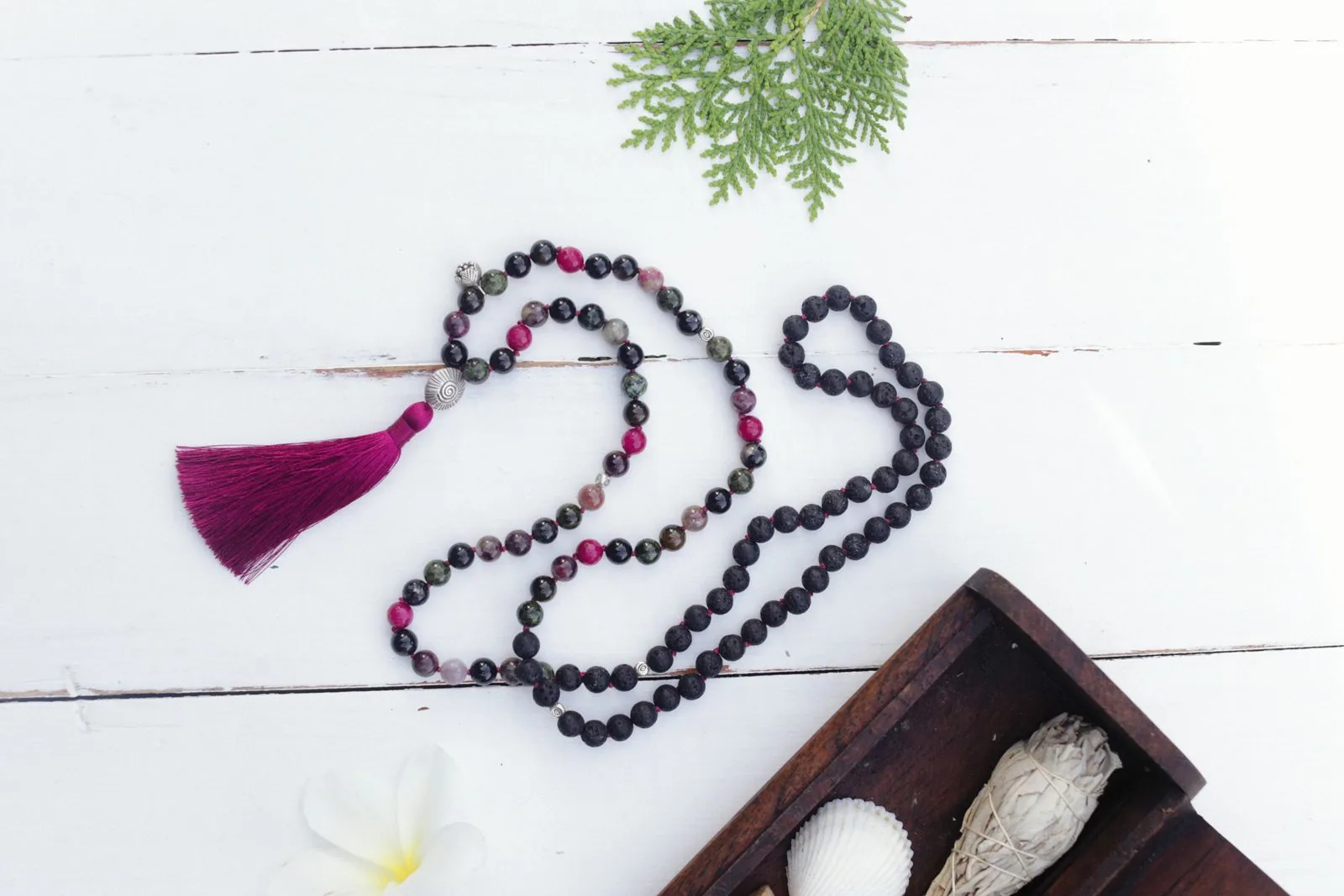
A traditional mala is a loop of 108 beads strung on a cord, plus one larger guru bead (often with a tassel) that marks the beginning and end of the circle. The word comes from the Sanskrit for "garland." The beads exist for one reason: to count. Each pass of a bead marks one breath or one repetition of a mantra, so instead of keeping a number in your head — which pulls you out of the meditation — your fingers do the counting and your attention stays on the practice. The material can be wood, seed or gemstone; the mechanics are the same whichever you choose.
How to use a mala, step by step
It takes about a minute to learn. Here is the traditional method:
- Settle in. Sit comfortably, spine tall, and take a few slow breaths to arrive.
- Hold the mala. Drape it over the middle finger of your right hand, letting the guru bead hang down below your hand.
- Start at the first bead. Rest your thumb on the bead next to the guru bead — you'll work away from the guru bead, never starting on it.
- Count one bead per breath or mantra. As you breathe out, or silently repeat your chosen word or mantra, use your thumb to draw one bead toward you. Keep your index finger pointed away from the beads, as tradition holds it represents the ego.
- Continue around the loop. Move to the next bead with the next breath, working steadily through all 108.
- Reach the guru bead and reverse. When you arrive back at the guru bead you've completed one round; pause, and rather than crossing it, turn the mala around and go back the other way for another round.
A simple 108-bead mala to learn on
108 mala beads for meditation — a straightforward knotted strand with no fuss. Best for a first mala while you find your rhythm. Pro: inexpensive and does everything you need. Con: plainer than a gemstone piece. Around $12–$30.
Sandalwood japa mala
sandalwood japa mala — warm to the touch and quietly fragrant, "japa" simply means mantra repetition. Best for daily mantra practice. Pro: the scent and warmth make it a pleasure to hold. Con: genuine sandalwood costs a little more. About $15–$40.
Reaching the guru bead
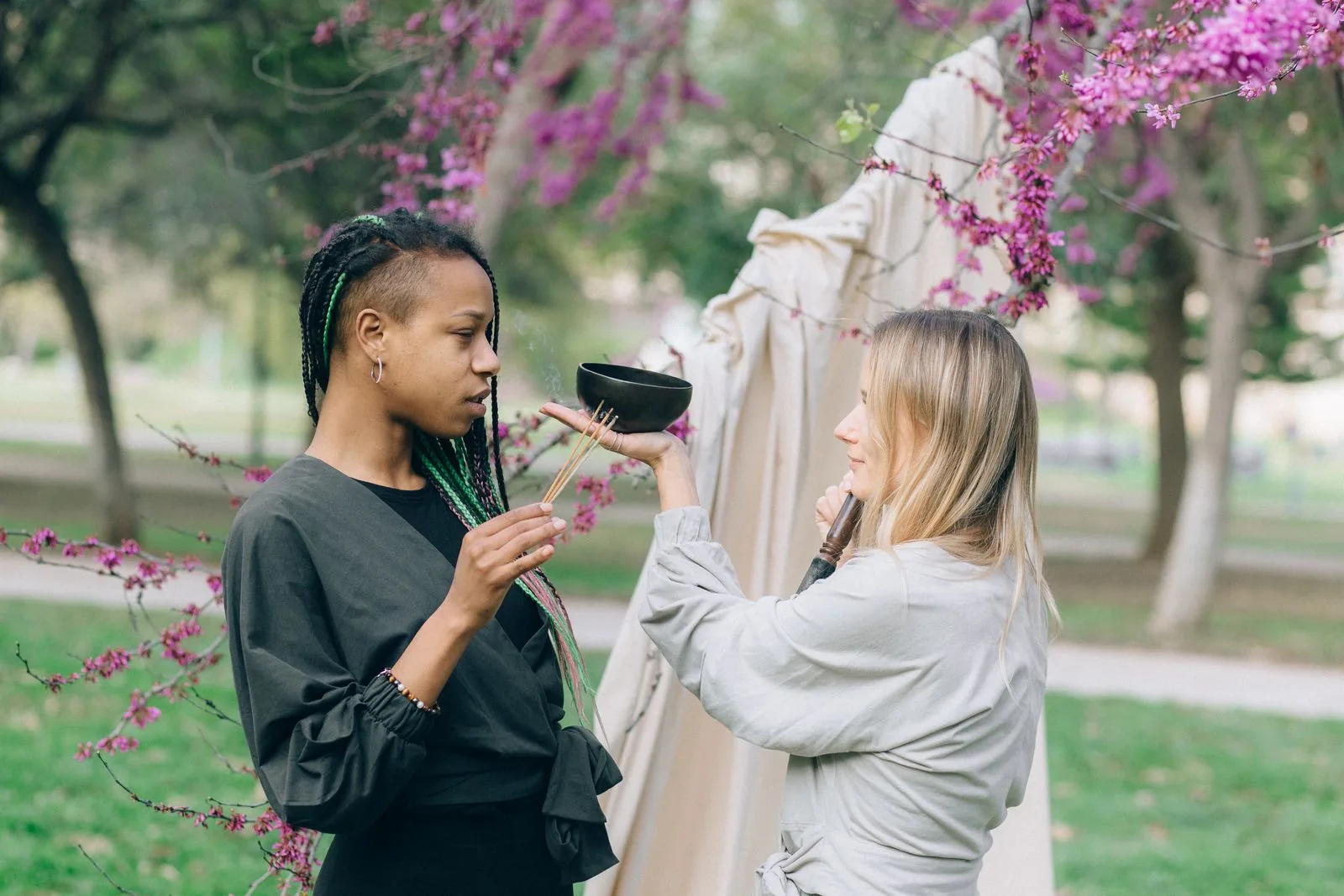
The moment you arrive back at the larger guru bead is a small ritual in itself. You've completed one round of 108. Rather than counting or crossing over the guru bead — traditionally a sign of stepping over your teacher — you pause, silently give thanks or set an intention, and then reverse direction to begin the next round. This little turn is part of what makes mala practice feel grounded and deliberate rather than mechanical. Most people do one round; do more if you have the time and inclination.
Choosing a mantra (or not)
You don't need Sanskrit to use a mala. Your options include a traditional mantra such as Om mani padme hum (the mantra of compassion) or So Hum ("I am that"); a single calming English word like peace, let go or enough; a short affirmation; or simply your breath — one bead per exhale, counting nothing at all. There is no wrong choice, and beginners often find the breath alone is the easiest and most restful place to start. The point is repetition, which quietens the mind's chatter.
Wearing your mala afterward
Many people wear their mala between sessions — as a necklace or wrapped two or three times around the wrist — both because it keeps the beads close and because it becomes a gentle reminder to pause and breathe during the day. Treat it with a little care: remove it before showering, swimming and sleeping, since water and soap wear the cord and can dull wood and softer stones. When you touch it in a busy moment, let it call you back to a single breath.
Tasseled 108-bead mala
mala beads with tassel — the classic full-length format that hangs like a necklace, tassel and all. Best if you want the traditional look and plan to wear it. Pro: beautiful and authentic. Con: the tassel needs occasional tidying. Around $15–$45.
Gemstone mala set
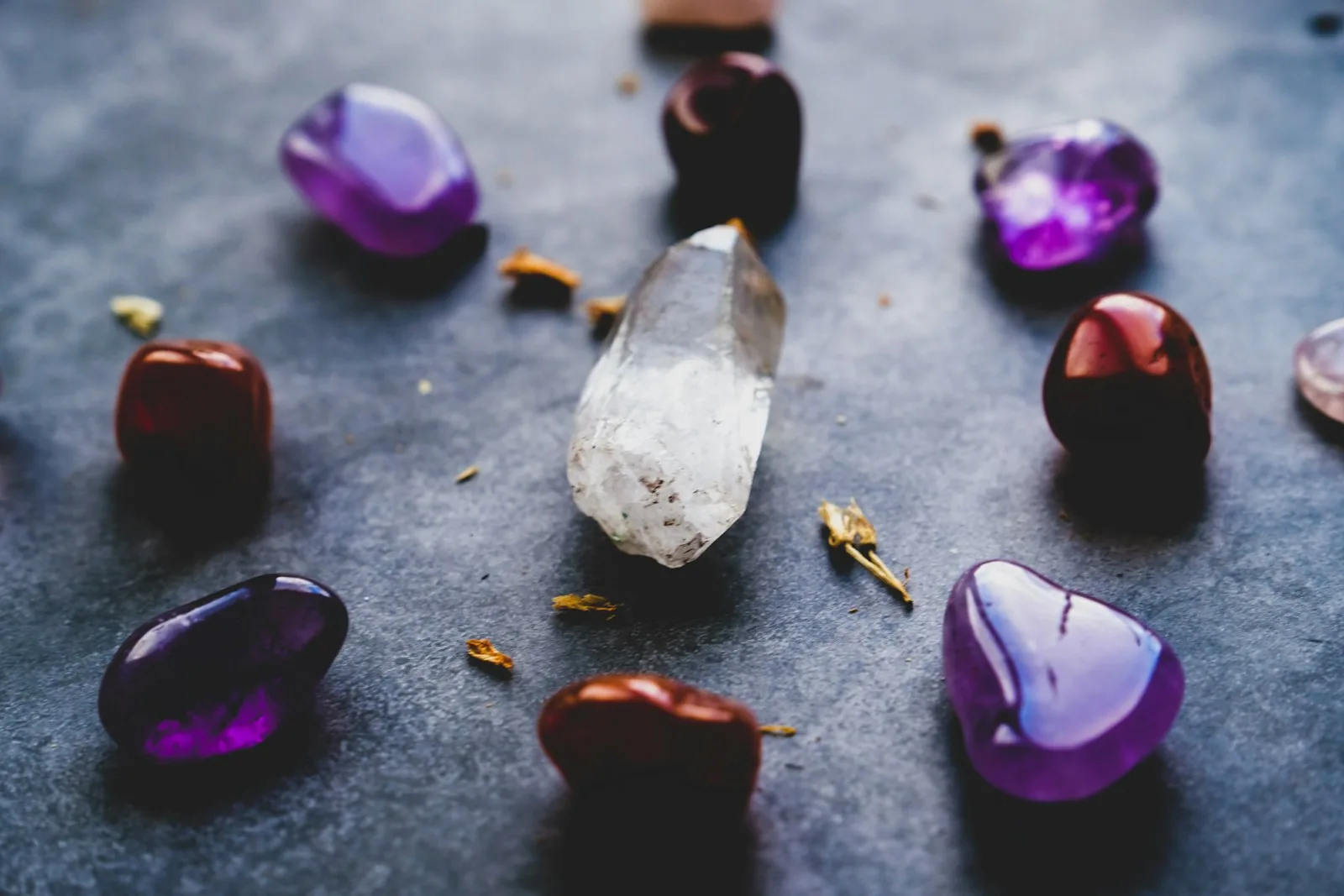
gemstone mala beads set — a mala (or set) in a chosen stone so your beads carry an intention. Best once you know which quality you want to focus on. Pro: adds meaning and color to the practice. Con: check stones are natural, not dyed. About $20–$50.
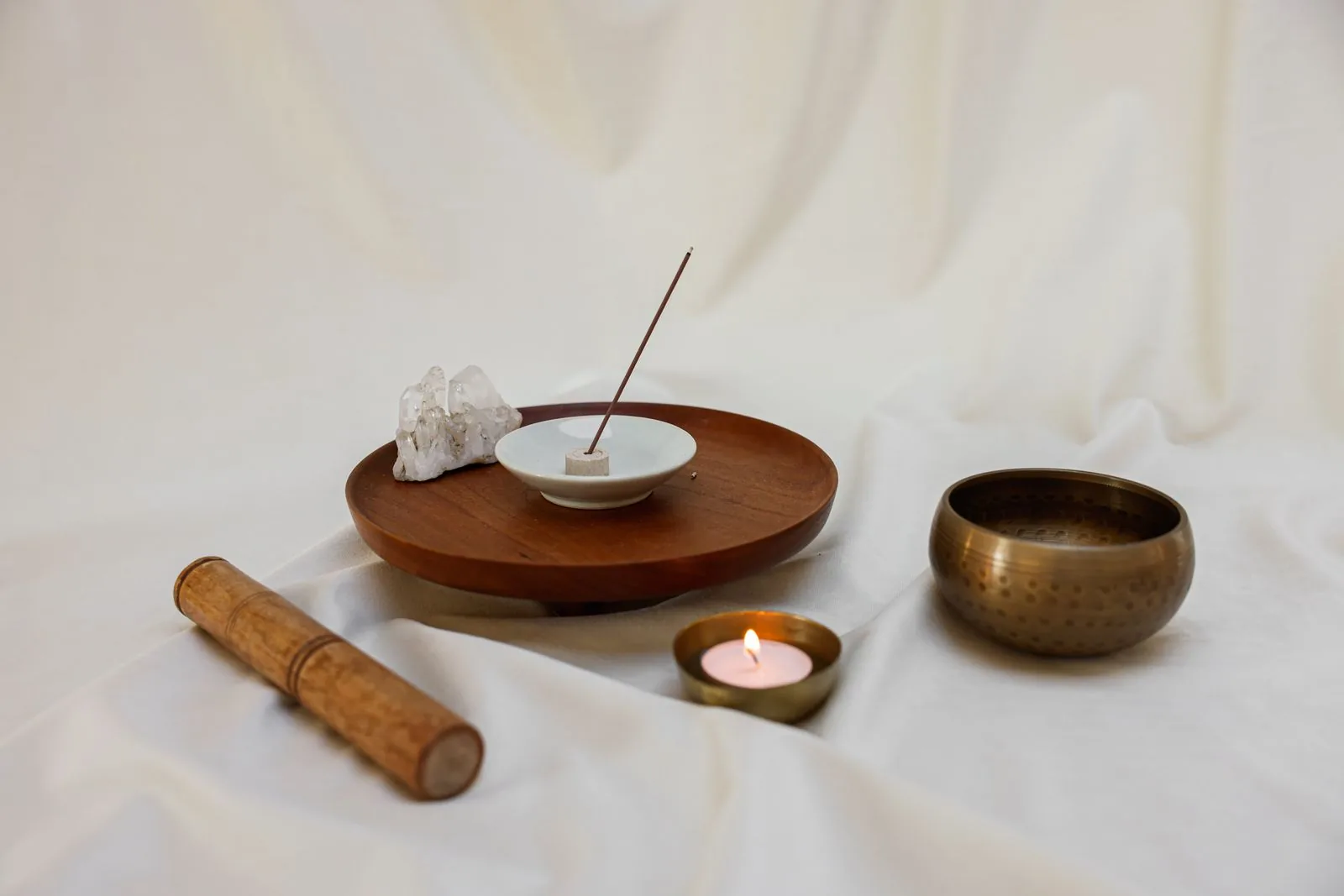
Ready to buy your first one? See our full best mala beads guide for every material compared, and choose a stone with meaning using our gemstone guide. A comfortable cushion and a singing bowl to open the session make the practice far easier to keep up.