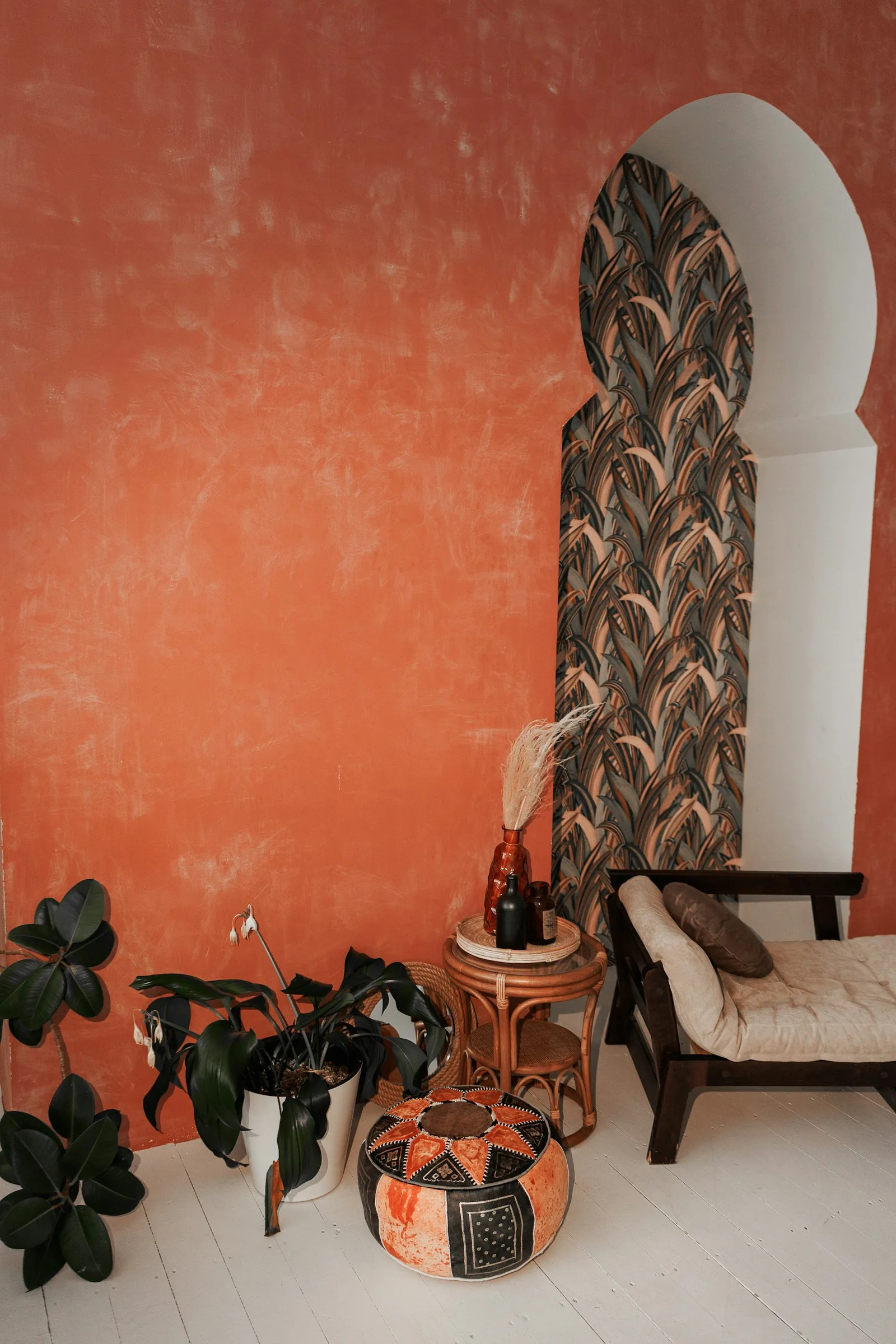
The Best Scented Candles for a Calm, Cozy Home
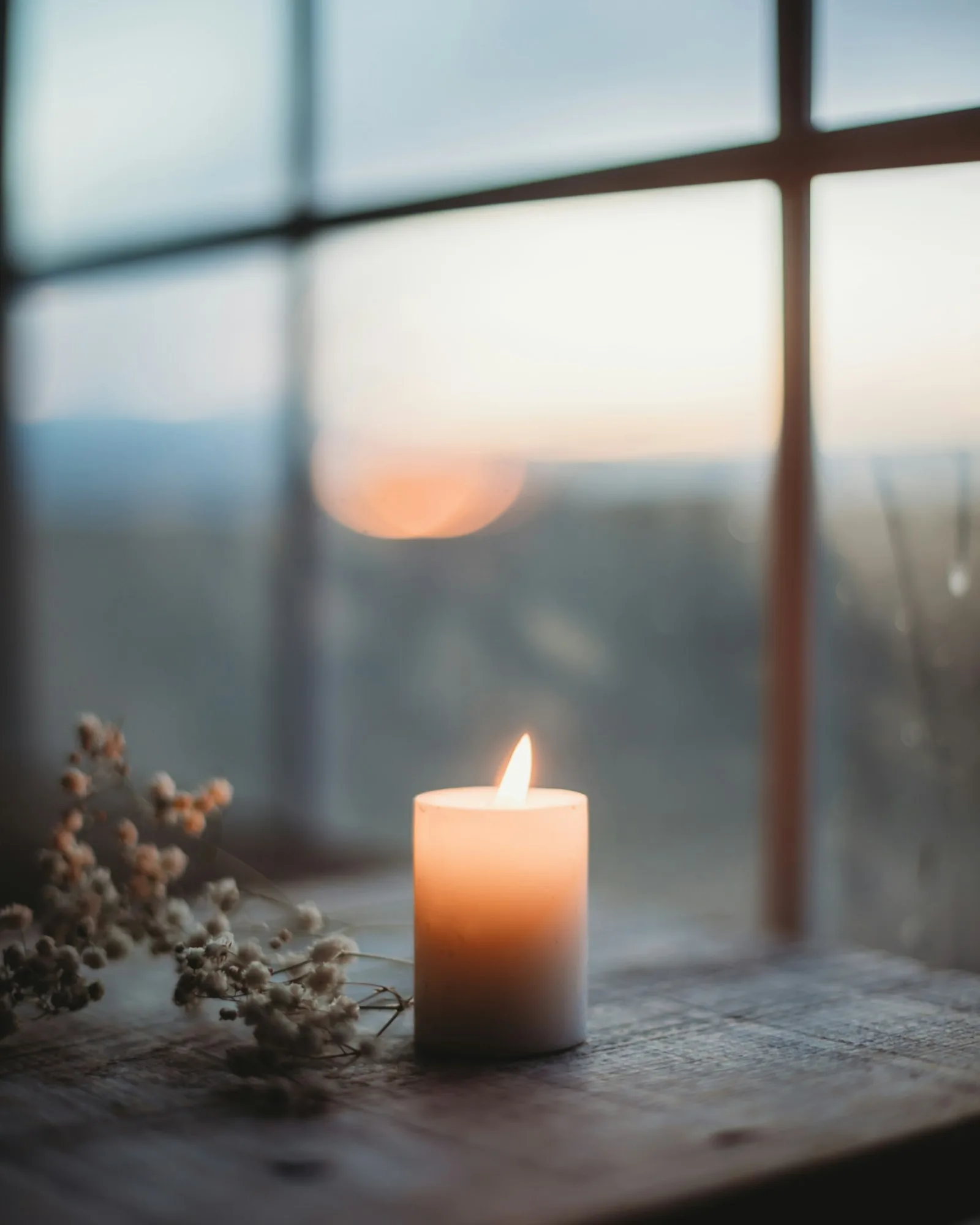
For a calm home, choose soy or coconut wax candles with cotton or wood wicks in grounding scents — sandalwood, lavender, amber, cedar. They burn cleaner and longer than paraffin. On the first burn, let the whole top melt to the edge to avoid tunneling.
The right candle does more than smell nice — a familiar, grounding scent and a little flickering light can shift the whole mood of a room in minutes. For a calm home, it's worth choosing candles that burn cleanly and lean into soothing, natural scents rather than sharp, synthetic ones. Below are ten candles worth buying, grouped by the calmest scents and the cleanest-burning waxes, plus how to burn a candle so it lasts and never tunnels.
How we picked: we favored natural soy, coconut and beeswax over paraffin, cotton and wood wicks over metal-cored ones, and grounding, relaxing scent families over sweet or synthetic ones — the candles we'd actually light in a bedroom or a meditation corner.
The calmest scents
Warm, woody and herbal scents are the most relaxing — save the sharp, sweet and fruity notes for the kitchen.
Sandalwood soy candle
soy candle sandalwood — warm, woody and grounding, the most meditative scent of all. Best for a living room or meditation corner. Pro: soothing without being sweet; clean soy burn. Con: a subtle scent that suits smaller rooms. Around $15–$30.
Lavender soy candle
lavender soy candle — the classic wind-down scent, soft and floral. Best for a bedroom or evening bath. Pro: genuinely relaxing and widely loved. Con: cheap versions can smell soapy. About $14–$28.
Amber-and-cedar candle
amber and cedar candle — cozy, resinous warmth with a woody backbone. Best for autumn and winter evenings. Pro: rich, enveloping and grounding. Con: can feel heavy in a small warm room. Around $16–$32.
Eucalyptus-mint candle
eucalyptus mint candle — fresh, clearing and spa-like. Best for a bathroom or a morning lift. Pro: clean and reviving. Con: brighter and less "cozy" than the woods. About $14–$28.
Vanilla-and-sandalwood candle
vanilla and sandalwood candle — soft sweet vanilla warmed by woody sandalwood. Best for a comforting, homely glow. Pro: universally pleasant and inviting. Con: the vanilla reads sweeter than pure woods. Around $15–$30.
Cleaner-burning waxes and wicks
Wax and wick matter as much as scent. Natural waxes burn cleaner and longer, and wood wicks add a gentle fireside crackle.

Coconut-soy candle
coconut soy candle — a coconut-and-soy wax blend that burns slowly and evenly and throws scent well at low heat. Best for a long, clean burn. Pro: excellent scent throw and minimal soot. Con: premium blends cost more. Around $18–$34.
Wood-wick candle
wood wick candle amber — a natural soy or coconut candle with a wooden wick that softly crackles like a tiny fire. Best for cozy ambience. Pro: the crackle plus a wide, even melt pool. Con: wood wicks need relighting more carefully. About $16–$32.
Unscented beeswax candle
beeswax candle unscented — naturally clean-burning beeswax with a faint honey note and no added fragrance. Best if you're sensitive to scent but want warm light. Pro: the cleanest natural wax, long burning. Con: minimal scent and a higher price. Around $18–$36.
Soy candle gift set of 4
soy candle set of 4 — a set of smaller soy candles in coordinated calming scents. Best for trying several scents or gifting. Pro: variety and value. Con: smaller candles burn down faster. About $25–$45 for the set.
Essential-oil soy candle
essential oil soy candle — a soy candle scented with pure essential oils rather than synthetic fragrance. Best for a natural, aromatherapy-led scent. Pro: cleaner, more natural aroma. Con: essential-oil scent is often softer and fades sooner. Around $18–$34.
How to choose a candle for a calm home
Start with the wax: soy, coconut and beeswax burn cleaner, slower and cooler than paraffin and hold fragrance well, making them the better choice for indoor air and a calm room. Then the wick: cotton and wood wicks are cleanest, and wood adds that gentle crackle; avoid metal-cored wicks. Finally the scent — warm and herbal notes (sandalwood, lavender, amber, cedar, eucalyptus) suit bedrooms and living rooms, while brighter citrus and sweet scents are better saved for kitchens and daytime.
How to burn a candle well
Three habits make a candle last and behave. On the very first burn, let it melt all the way to the edges — this can take two to four hours on a wide candle and prevents "tunneling," where the wick burns straight down and wastes the outer wax forever. Trim the wick to about a quarter inch before every burn to reduce soot and a smoky flame. And never burn for more than about four hours at a time. Prefer a flame-free option? An essential-oil diffuser or a salt lamp gives you scent or glow without an open flame. Pair candlelight with incense, a macrame hanging and a soft, pillow-layered sofa for the coziest corner in the house.