The Best Boho Throw Pillows to Layer a Sofa or Bed
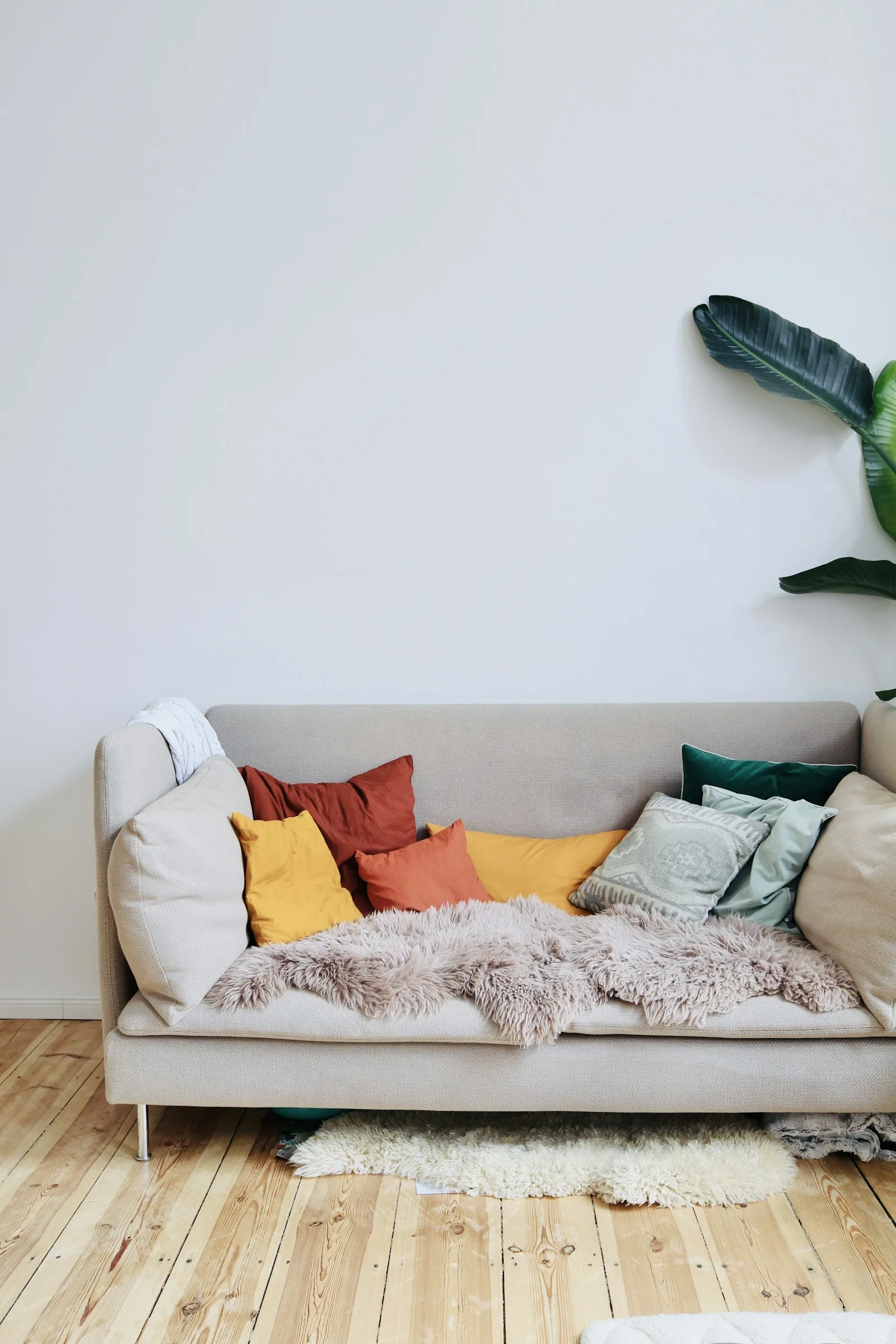
Great boho pillow styling is about mixing size, texture and pattern while keeping a shared color story. Combine a large woven or mudcloth pillow, a mid-size tufted or tasseled one, and a small accent. Buy covers and separate inserts to save money and swap seasonally.
Throw pillows are the cheapest, fastest way to transform a sofa or bed — and boho style gives you permission to mix freely. The trick is looking gathered rather than chaotic, which comes down to a few simple rules about size, texture and color. Below are ten boho pillow covers worth buying, grouped into the pattern anchors and the finishing accents you layer on top, plus a stylist's guide to building the pile and why you should always buy covers and inserts separately.
How we picked: we chose covers across the textures that define boho — mudcloth, woven, kilim, tufted, tasseled and velvet — favoring natural fabrics and a range of sizes, so you can build a full, coordinated arrangement rather than buying four of the same thing.
Texture and pattern anchors
Start with one or two larger pillows (20–22 inch) that bring bold texture or graphic pattern — these anchor the whole arrangement.
Mudcloth pillow cover
mudcloth pillow cover — graphic black-and-cream African mudcloth pattern with real woven texture. Best as the anchor of a neutral boho pile. Pro: striking yet neutral, pairs with anything. Con: authentic woven mudcloth costs more than printed lookalikes. Around $18–$40.
Woven boho pillow cover
woven boho pillow cover — a chunky natural cotton or wool weave that adds depth without pattern. Best for texture-led, tonal rooms. Pro: quiet, tactile and versatile. Con: loose weaves can snag. About $15–$35.
Kilim pillow cover
kilim pillow cover — bold flatweave color and geometric pattern, often made from genuine vintage kilim rugs. Best for a warm hit of jewel tone. Pro: rich color and often one-of-a-kind. Con: firmer and heavier than plain covers. Around $20–$50.
Boho geometric cover set
boho geometric pillow cover set — a coordinated set of patterned covers designed to work together. Best for an instant, foolproof arrangement. Pro: takes the guesswork out of mixing. Con: less individual than hand-picking. About $25–$45 for a set.
Accent and finishing pillows
Layer in mid-size (18 inch) and small pillows with tassels, tufting, pom-poms or fringe to add detail and personality.
Tasseled pillow cover
tasseled boho pillow cover — corner tassels add playful movement and a handcrafted feel. Best as a mid-layer accent. Pro: instant boho detail. Con: tassels can tangle in the wash. Around $14–$30.
Tufted lumbar pillow
tufted lumbar pillow — a long rectangular pillow with tufted or embroidered detail that finishes the front of a pile. Best as the final layer on a sofa or bed. Pro: the shape ties the whole arrangement together. Con: lumbar inserts are less common to source. About $18–$40.
Velvet pillow, rust
velvet throw pillow rust — a smooth, rich velvet in a warm terracotta to contrast the weaves. Best for adding a luxe, soft texture. Pro: the sheen plays beautifully against rough textiles. Con: velvet shows crushing and marks. Around $15–$35.
Pom-pom pillow
pom pom throw pillow — soft trim of little pom-poms around the edge for a playful, cozy touch. Best in a bedroom or nursery. Pro: charming and soft. Con: reads more whimsical than sophisticated. About $14–$30.

Embroidered pillow cover
embroidered boho pillow cover — hand-embroidered patterns and mirror-work for detail up close. Best as a special accent piece. Pro: artisanal texture and color. Con: delicate stitching needs gentle washing. Around $16–$38.
Faux fur pillow, cream
faux fur throw pillow cream — a plush, shaggy neutral that adds softness and contrast. Best for a cozy winter layer. Pro: instant warmth and tactile contrast. Con: sheds slightly and collects lint. About $14–$32.
How to style boho throw pillows
Three rules make any mix work. Keep a shared color: run one or two colors through every pillow so even bold, different patterns read as intentional. Vary the size: combine a large 20–22 inch pillow, a mid 18 inch, and a lumbar for depth rather than a flat row of matching squares. Mix at least three textures: say a woven, a tufted and a smooth velvet, so the pile has contrast. On a standard three-seat sofa, three to five pillows in an odd number looks the most relaxed.
Pillow arrangements that work
Different furniture wants different formulas. On a three-seat sofa, the classic is a pair of large 22-inch pillows in the outer corners, a pair of 18-inch in front, and a single lumbar in the center — or simply three to five pillows in an odd number for a more relaxed look. On a sectional, cluster more pillows toward the corner where the two sections meet and let them thin out along the arms. On a bed, work back to front: standard sleeping pillows against the headboard, then Euro squares, then your accent throw pillows and a lumbar at the very front.
Whatever the piece, avoid a stiff, symmetrical row of identical squares — that reads like a furniture showroom, not a home. Stagger the sizes, let the textures vary, and don't be afraid to karate-chop the tops of down-filled pillows for that styled dent. Finish the scheme with a throw blanket draped off one arm.
Choosing the right insert
The insert matters as much as the cover. Down and feather inserts are the plushest and mold beautifully into a soft, styled slouch, but they cost more, need occasional fluffing and aren't for allergy sufferers. Down-alternative and polyester inserts are affordable, washable, hypoallergenic and hold a fuller, firmer shape — the practical everyday choice. Feather-down blends split the difference.
Two rules make any insert look good: buy it one to two inches larger than the cover (an 18-inch insert in a 17-inch cover) so the pillow looks full rather than saggy, and choose a firmer poly insert for pillows people actually lean on versus a softer down one for purely decorative accents. Getting this right is the difference between a plump, expensive-looking pile and a set of limp, half-empty cushions.
Why buy covers and inserts separately
Always buy pillow covers plus separate inserts rather than whole pillows. Covers cost far less to ship, are easy to throw in the wash, and let you swap the whole look by season without storing bulky pillows. The stylist's trick: size the insert one inch larger than the cover — an 18-inch insert in a 17-inch cover — for a full, plump look instead of a saggy, half-empty one. Finish the room with a macrame wall hanging, a Moroccan pouf and a boho rug.