The Best Moroccan Poufs for Extra Seating and Style
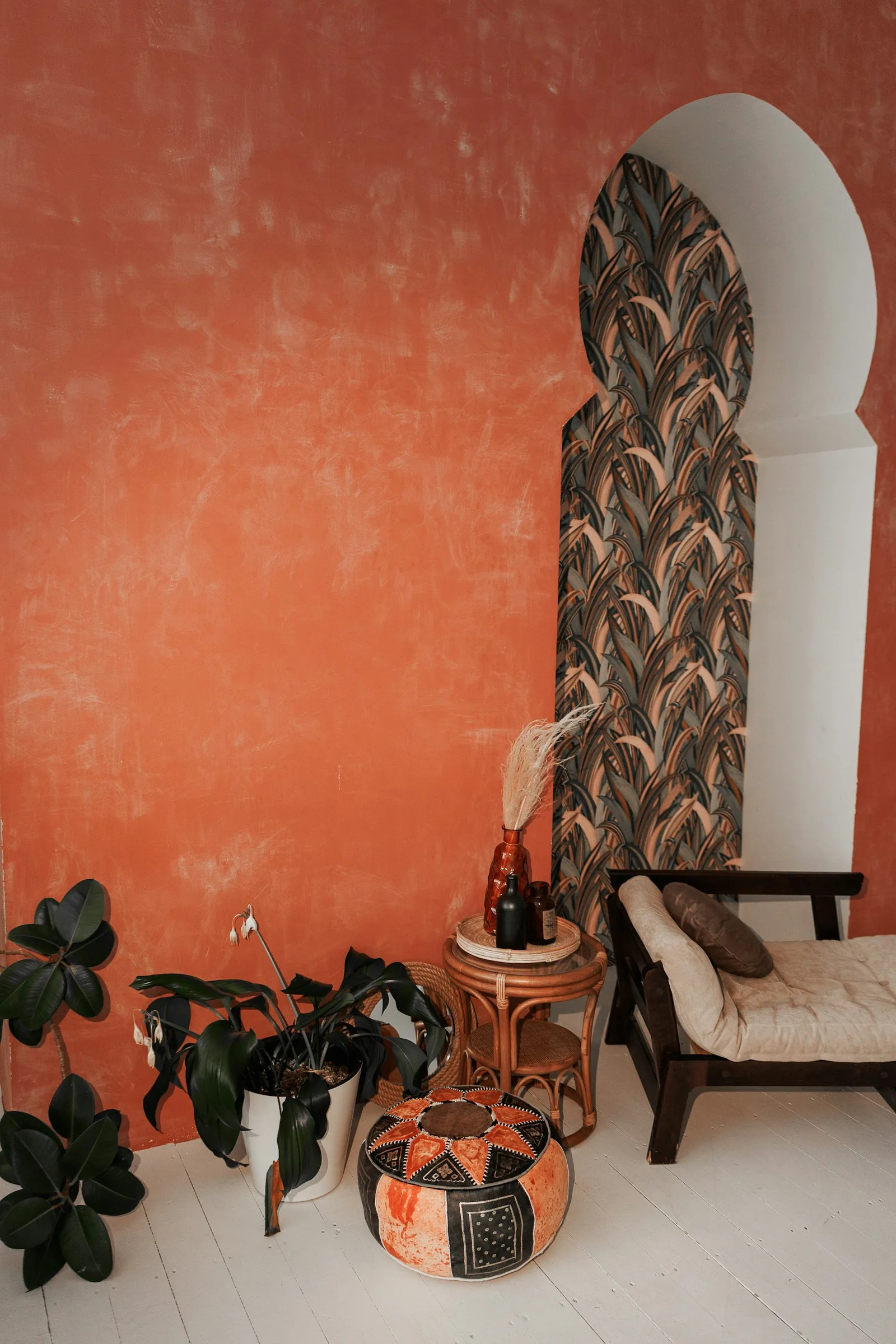
A Moroccan pouf is a hard-working accent: extra seating, a footrest and a style statement in one. Genuine hand-stitched leather poufs age beautifully and last for years; cotton and embroidered versions are lighter and cheaper. Buy one unstuffed and fill it yourself to save on shipping.
The Moroccan pouf earns its place in a room by being genuinely useful — a footstool, an extra seat when guests arrive, a side surface for a tray — while adding instant global character. Below are ten poufs worth buying, from genuine hand-stitched leather to lighter cotton and kilim styles, plus the practical stuff nobody tells you: whether they arrive stuffed, what to fill them with, and how to pick one that lasts.
How we picked: we weighed authenticity and durability (real hand-stitched leather ages best) against lighter, cheaper and vegan-friendly cotton options, and flagged which poufs ship stuffed versus unstuffed so there are no surprises when the box arrives.
Genuine leather poufs
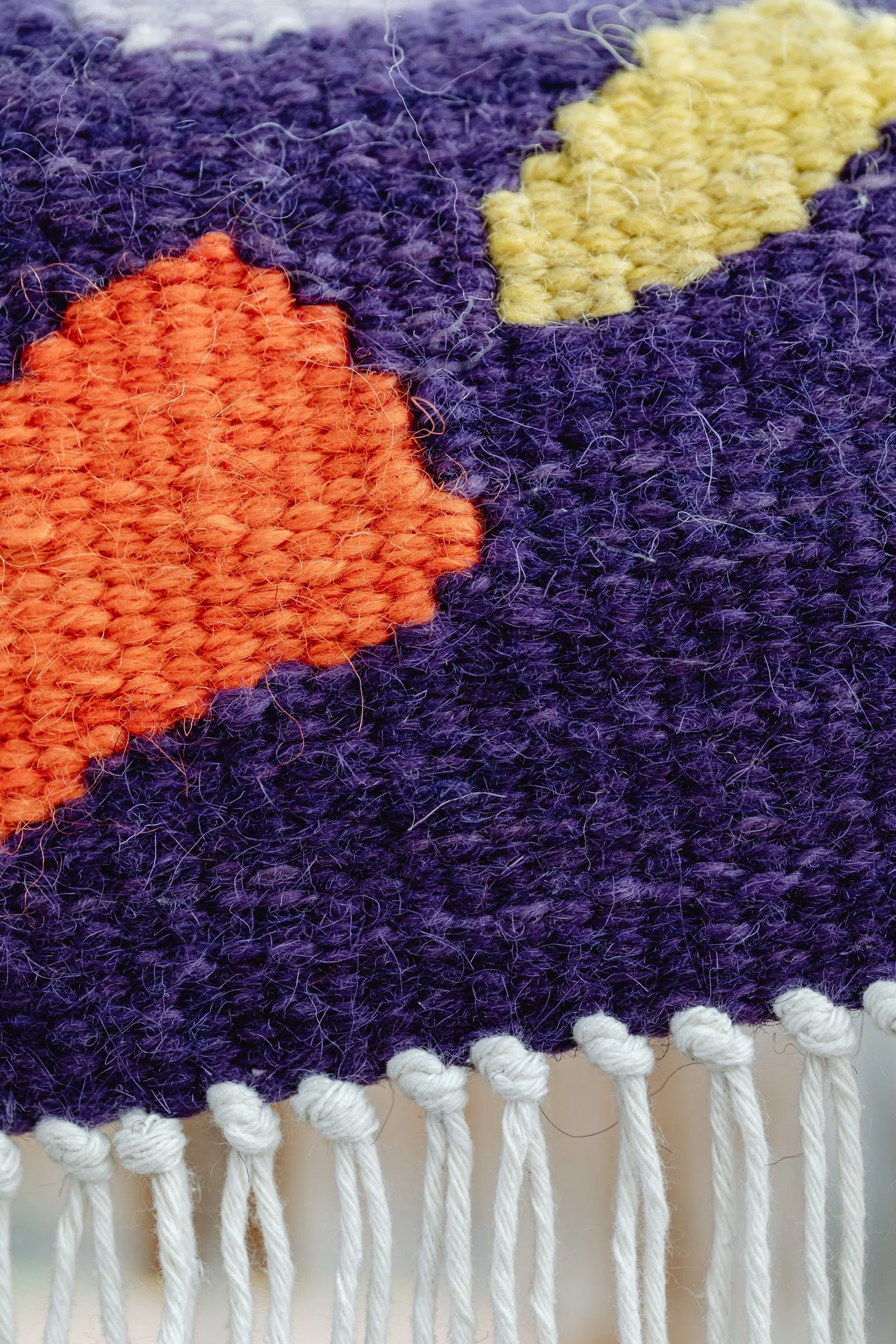
The traditional pouf is made from hand-stitched, naturally tanned leather, often in tan, natural or dyed jewel tones. These develop a lovely patina and stand up to years of daily use.
Moroccan leather pouf
Moroccan leather pouf — the genuine hand-stitched, naturally tanned classic. Best as a durable everyday footrest and occasional seat. Pro: ages into a beautiful patina and takes real use. Con: usually ships unstuffed and may carry a natural leather scent at first. Around $60–$130 (cover).
Vintage tan leather pouf
vintage Moroccan pouf tan — a worn, characterful natural finish with the marks of genuine age or distressing. Best for a collected, lived-in room. Pro: instant character no new pouf can fake. Con: each is one-of-a-kind, so color varies. About $70–$150.
Dyed leather pouf
dyed leather pouf jewel tone — hand-stitched leather in rich saffron, ochre or oxblood for a bolder room. Best as a hit of color beside neutral furniture. Pro: striking color plus leather durability. Con: deep dyes can transfer slightly when brand new. Around $70–$140.
Square leather pouf
square leather pouf ottoman — a boxy hand-stitched pouf that sits more like a small ottoman or side table. Best where you want a flat, tray-friendly top. Pro: stable surface for a book or drink. Con: less of the classic round silhouette. About $70–$150.
Cotton, kilim and embroidered styles
If you want something lighter, more colorful or vegan-friendly, woven cotton, kilim and embroidered poufs deliver the shape at a lower price.
Embroidered cotton pouf
embroidered cotton pouf — bright pattern on soft cotton with a light, casual feel. Best for a colorful boho room or a kid-friendly space. Pro: vegan, cheerful and inexpensive. Con: less structured and wears faster than leather. Around $40–$90.
Woven round pouf
woven pouf ottoman round — neutral cotton or jute texture in cream and oatmeal that suits almost any decor. Best as a safe, understated extra seat. Pro: goes with everything. Con: plainer than patterned styles. About $40–$100.
Kilim pouf
kilim pouf ottoman — upholstered in bold flatweave kilim fabric, sometimes over a firm base. Best for a warm, patterned focal accent. Pro: rich color and often sturdier than plain cotton. Con: the strong pattern isn't for minimalist rooms. Around $60–$130.
Mudcloth pouf
mudcloth pouf ottoman — graphic black-and-cream African mudcloth over a padded pouf. Best for a modern boho room. Pro: striking neutral pattern that pairs with anything. Con: printed versions lack the depth of woven ones. About $50–$120.
Velvet pouf
velvet pouf ottoman round — a plush round velvet pouf in jewel tones for a softer, more luxe take. Best for a glam or eclectic room. Pro: soft, rich and comfortable. Con: velvet shows marks and isn't as hard-wearing. Around $50–$120.
How to choose the right pouf
Decide first on material: genuine hand-stitched leather is the most durable and ages best but costs more and often needs filling; cotton, kilim and mudcloth are lighter, cheaper and more colorful but wear faster. Then consider shape and use — round poufs are the classic footrest and casual seat, while square and flat-topped styles double as a tray surface or small ottoman. Match the color to your role for it: neutral if it's a workhorse, a jewel tone if it's meant to pop.
Where to use a Moroccan pouf
A pouf is one of the most flexible pieces you can own because it does several jobs. As a footrest in front of an armchair or sofa, it's more casual and moveable than an ottoman. As extra seating, it pulls into a circle when friends arrive and tucks away after. With a tray on top, a firm square pouf becomes an impromptu side table for a drink or a stack of books. And at the foot of a bed or in a bedroom corner, it's a spot to sit and put on shoes.
Because they're soft and have no hard edges, poufs are also great in kids' rooms and playrooms and in tight spaces where a chair won't fit. Two matching poufs flanking a coffee table or fireplace look intentional and add instant global texture. Style one on or beside a boho rug with a couple of throw pillows nearby to tie it in.
Leather vs cotton: which lasts?
For durability, genuine hand-stitched leather wins clearly. Naturally tanned leather takes daily use, resists tearing, and actually improves with age, developing a soft patina and deeper color over years — this is the pouf you buy once. The trade-offs are a higher price, more weight, the need to fill it yourself, and a natural leather scent that fades over a week or two. It's also not vegan-friendly.
Cotton, kilim and mudcloth poufs are lighter, cheaper, more colorful and cruelty-free, which makes them great for playrooms, bright boho schemes and anyone wanting a specific pattern. But they wear faster, hold their shape less well, and the covers can pill or fade. The honest summary: buy leather for a hard-working forever piece, buy cotton for color, budget or a vegan home — and in either case, firm filling matters as much as the cover for how good it looks and feels.
Buying and filling tips
Here's the thing to know before you order: poufs very often ship unstuffed — as just the cover — to save on shipping. You fill them at home with clean old clothing, towels, fabric scraps or a dedicated pouf insert, packing firmly so they hold a solid, seat-worthy shape (the fill settles and compresses with use, so overfill and top up later). Check the listing carefully so you know whether a pouf comes stuffed or not. Genuine leather may arrive with a natural scent that fades over a week or two. Style a pouf beside a boho rug, use two flanking a coffee table, and add throw pillows nearby to tie it into the room.